

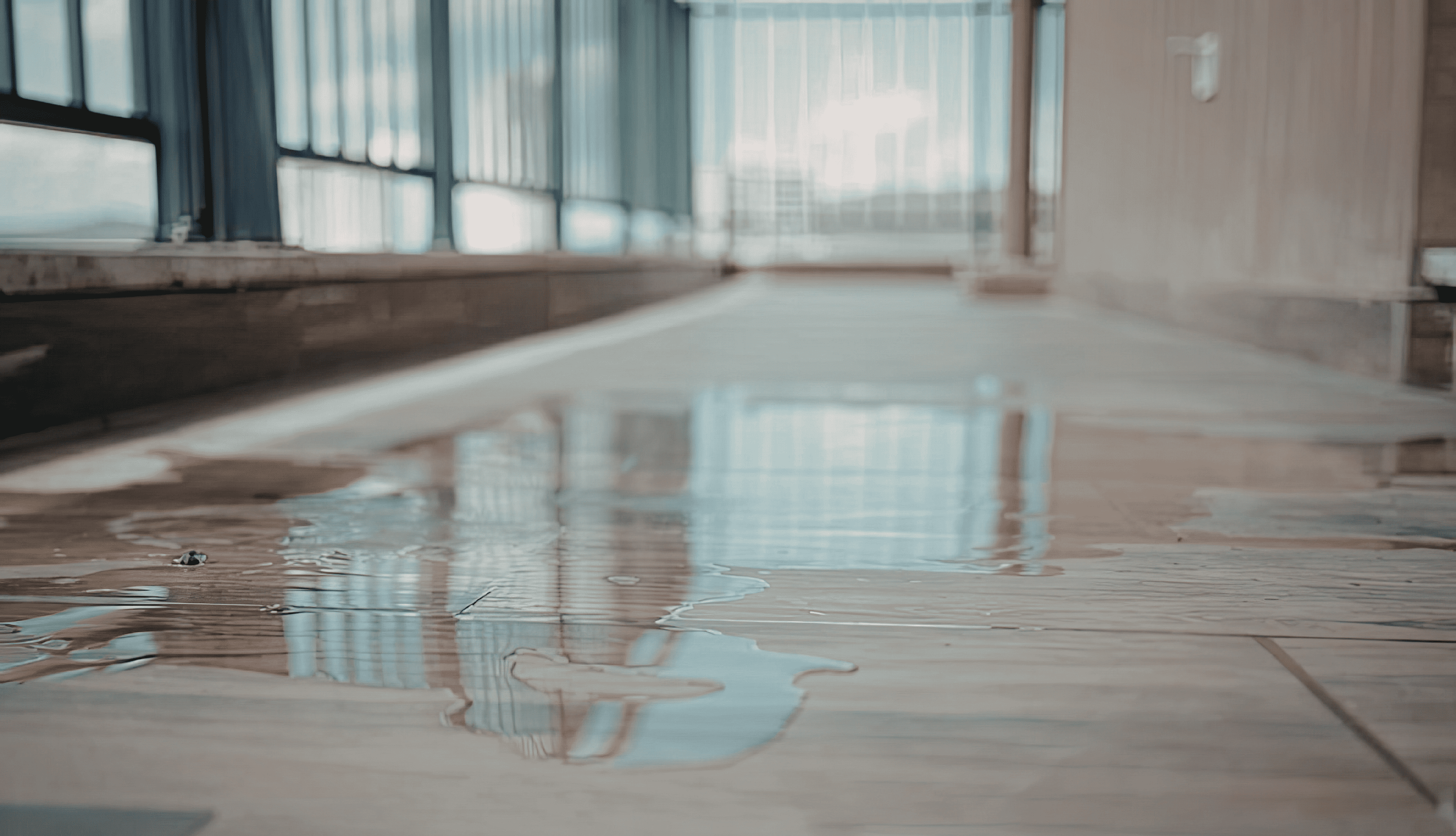
In swimming pools, outdoor showers, spas, and wet areas, flooring cannot be chosen solely for aesthetic reasons; it must also ensure safety when walking barefoot on wet or damp surfaces.
Porcelain tile is ideal for these environments due to its low water absorption, mechanical strength, and aesthetic versatility. However, for it to truly perform as intended, its surface must be specifically designed and validated for this use.
Behind a safe floor lie decisions that aren’t always visible, but which determine its slip resistance and actual performance during use.
In this article, we discuss…
Slip resistance, the technical term used to describe a floor’s resistance to slipping.
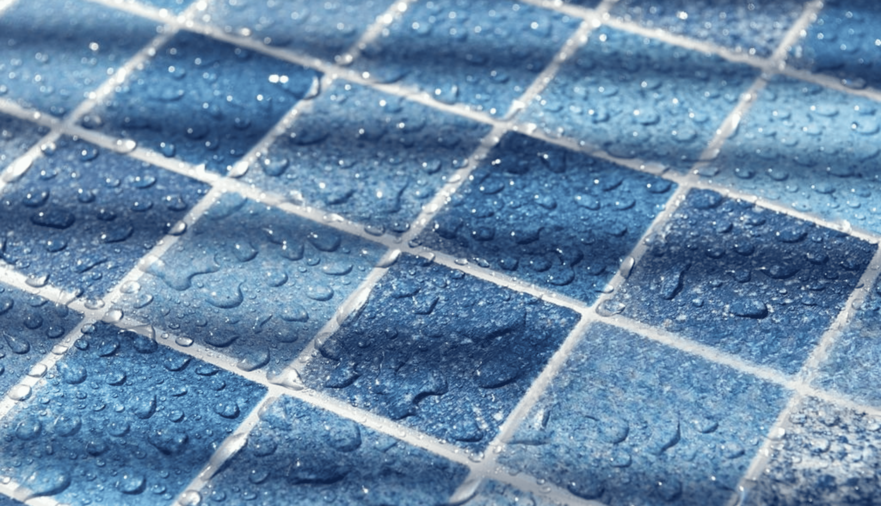
In swimming pools and wet areas, flooring must withstand traffic with water, barefoot use, and demanding cleaning conditions.
The CTE DB-SUA requires Class 3 for outdoor areas, swimming pools, and showers, as well as for the pool bottom at certain depths and for the pool deck or beach area.
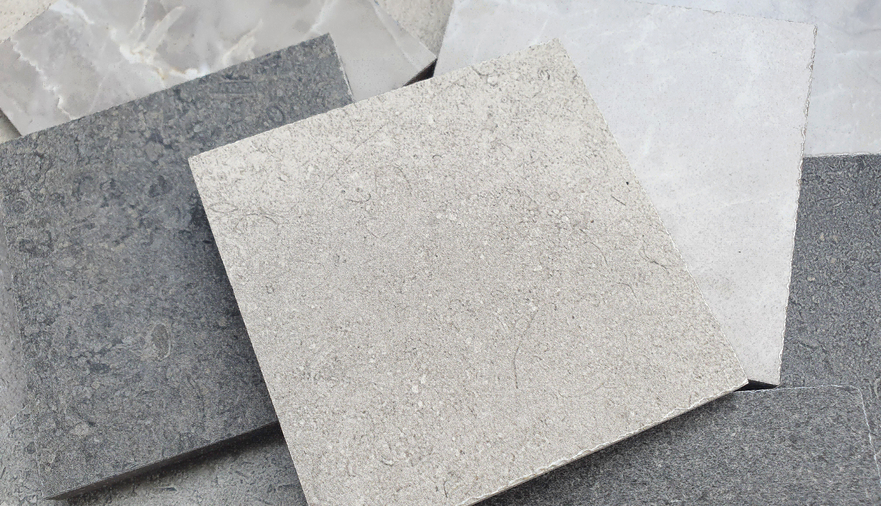
In porcelain tile, slip resistance does not depend on a single factor: texture, micro-relief, glaze, grit, protective coatings, and application method all play a role.
The industrial challenge lies in achieving a surface that is safe, aesthetically pleasing, easy to maintain, and stable.
What is slip resistance in porcelain tile flooring
Slip resistance is the property that defines a surface’s resistance to slipping during pedestrian traffic. For ceramic flooring, this concept is used to assess the extent to which a floor can reduce the risk of slipping based on its use, location, and exposure conditions.
In the case of porcelain tile flooring, slip resistance depends on several factors:
Surface texture.
The micro-relief.
The type of glaze or protective coating.
The applied grain size.
The presence of water, moisture, or external agents.
The slope of the floor.
The type of foot traffic: wearing shoes or barefoot.
The planned maintenance.
In a pool, these variables carry even greater weight. Users typically walk barefoot, water is constantly present, and residues of sunscreen, salts, cleaning products, or organic matter may appear on the surface.
For this reason, a porcelain pool floor should not be evaluated solely in dry conditions or based solely on its appearance. It must be understood as a technical surface, designed to perform under real-world conditions of use.