Texture, volume and control for ceramic decoration.
Solutions developed to control the application of effects, glazes, and technical materials onto ceramic surfaces.
Technical screen printing for surfaces with greater depth
Ceramic screen printing allows for the localized deposition of pastes, glazes, and high-solids materials onto the surface of a tile. It is particularly useful for creating effects that require a specific amount of material, volume, or surface behavior—such as relief patterns, textures, resists, gloss or matte finishes, and other special effects. At Kerafrit, we develop pastes, bases, and vehicles for ceramic screen printing tailored to the technical requirements of each process.
Formulations are designed with factors such as deposition volume, application speed, drying characteristics, and interaction with glazes, engobes, granules, or digital decorations in mind. Controlling parameters like viscosity, thixotropy, particle size distribution, and suspension stability ensures consistent material transfer and maintains the definition of the effect throughout production.
While many decorative applications are currently developed using inkjet technology—valued for its precision, versatility, and ability to integrate various effects into the digital process—screen printing solutions remain a viable technical alternative for specific applications requiring unique material behavior or a heavier surface deposit.

They allow the creation of controlled reliefs, textures and effects, adapted to the design and the desired final result.
Optimized particle size to ensure uniform and repeatable application via screen printing.
Designed to integrate seamlessly with glazes, engobes, and digital inks without interference.
Suitable for a wide variety of finishes: matte, textured, rustic, or decorative.
Our range enables the creation of various surface effects through ceramic screen printing. The specific formulation can be adapted to the application method, the substrate, and the required technical or aesthetic outcome.
Opaque Glossy
Transparent Glossy
Matte Transparent
Luster
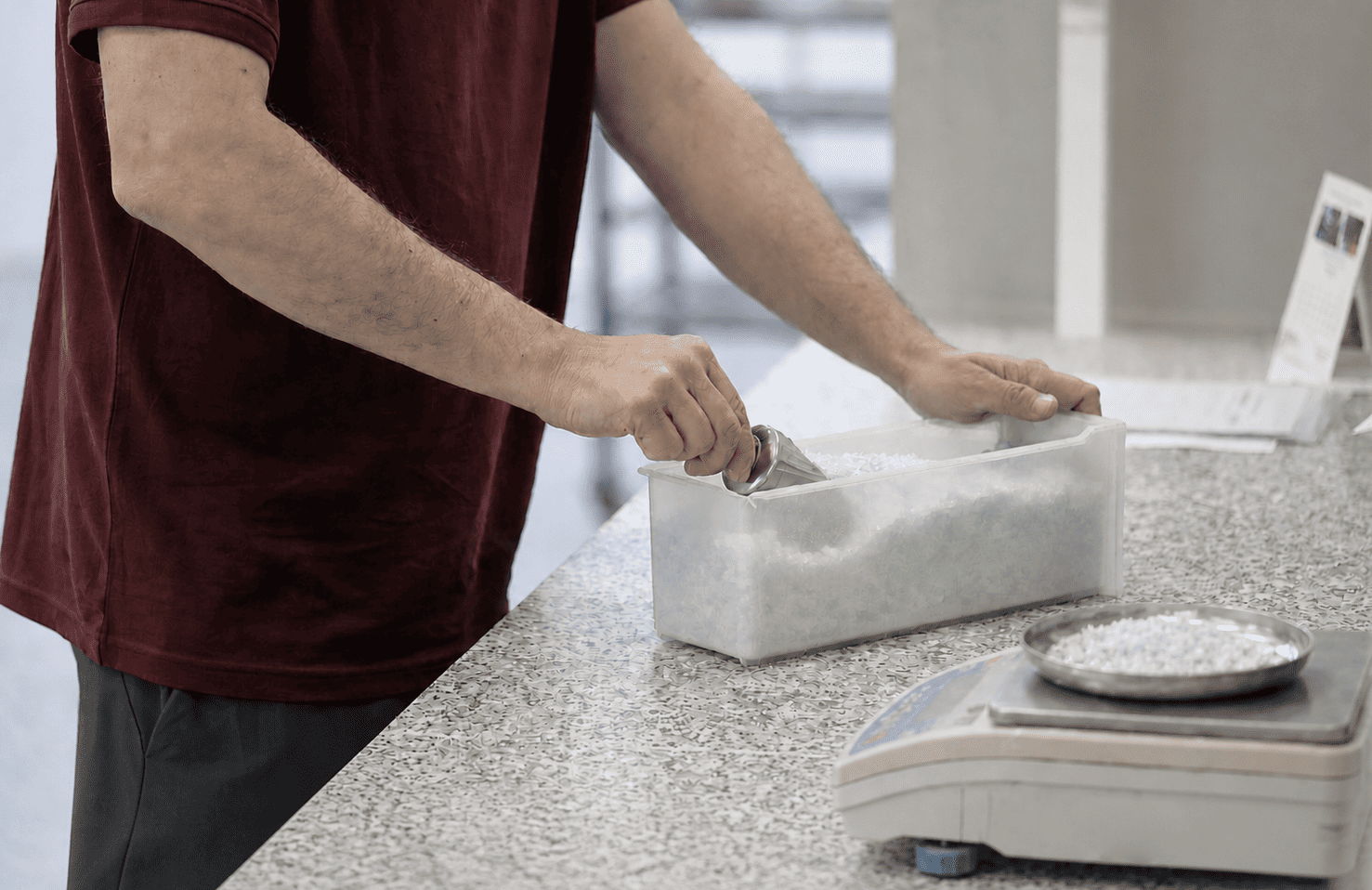
The behavior of a screen-printing paste depends on both the ceramic materials that compose it and the vehicle used to facilitate its application. The formulation must ensure that the material can be correctly transferred onto the surface and subsequently retain the geometry, thickness, and definition required to achieve the desired effect.
Key parameters considered during development include: Viscosity.
Thixotropy.
Particle size distribution.
Suspension stability.
Wetting capacity.
Drying speed.
Compatibility with different ceramic layers.
Behavior during firing.
Fine-tuning these variables allows the solution to be adapted to the specific conditions of each production line.
The evolution of ceramic decoration has established digital inkjet printing as the primary technology for reproducing designs, color variations, and numerous surface effects.
However, certain applications may require complementary solutions capable of delivering a greater volume of material or specific rheological properties. In such cases, screen-printing pastes can be integrated into processes that also involve digital inks, glazes, engobes, granules, and other ceramic materials.
Compatibility between the different layers is crucial. Therefore, factors such as application sequence, drying, adhesion, and potential interactions during firing must be carefully evaluated.
Available colors
Whites, neutrals and specific ranges depending on effect and application.
[N] colors
3 – 10
Granulometry
50 – 500 µm
Compatibility
Compatible with ceramic glazes, engobes and digital inks.
Application
Application by screen printing on ceramic support.
Stability in process
High stability during storage and application.
Cooking temperature
950 – 1200 °C
Main use
Ceramic decoration with decorative effects and texture.
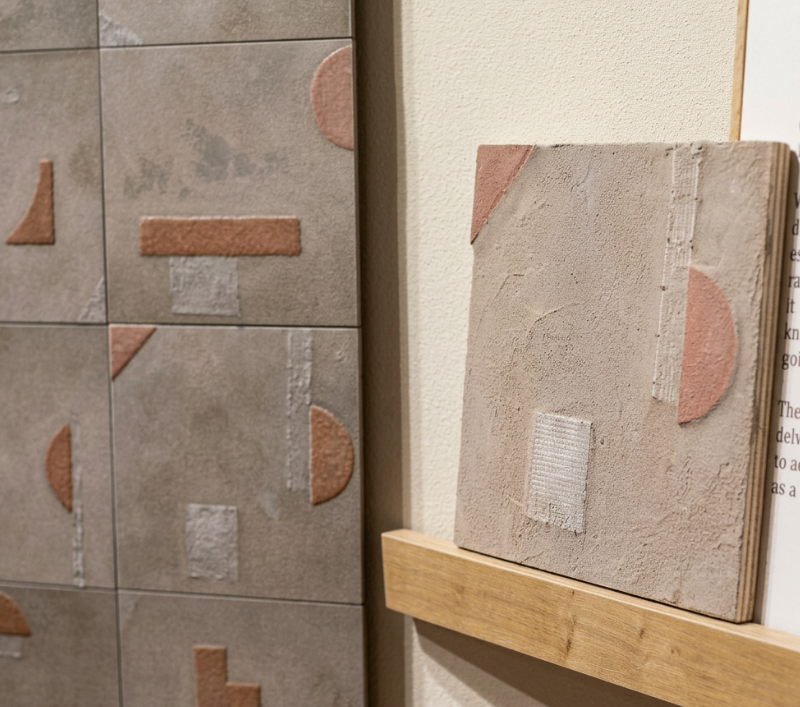
It adds volume and structure to the ceramic surface, creating finishes with greater visual and tactile depth.
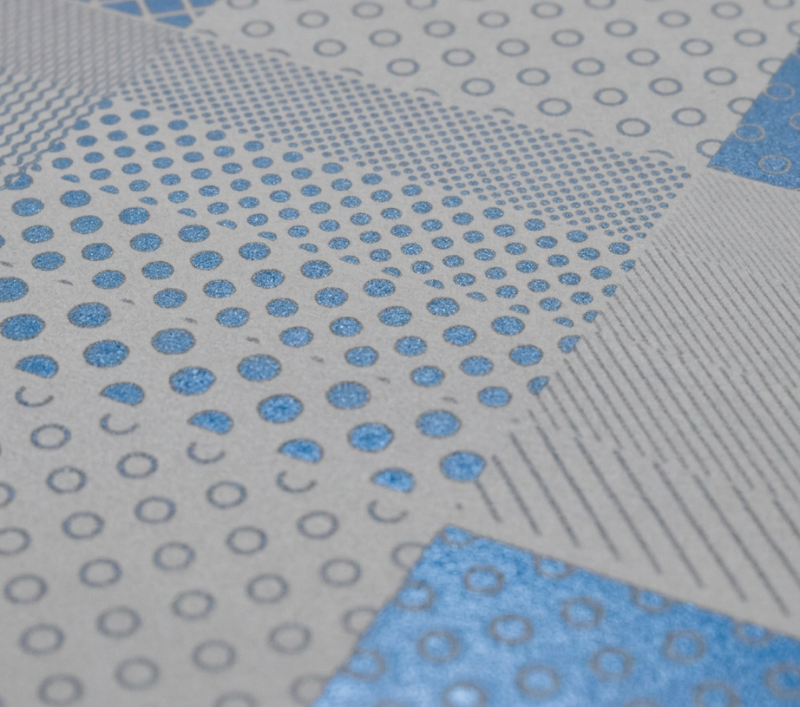
It allows for controlled deposition of the material, ensuring regularity and precision in the decorative effect.
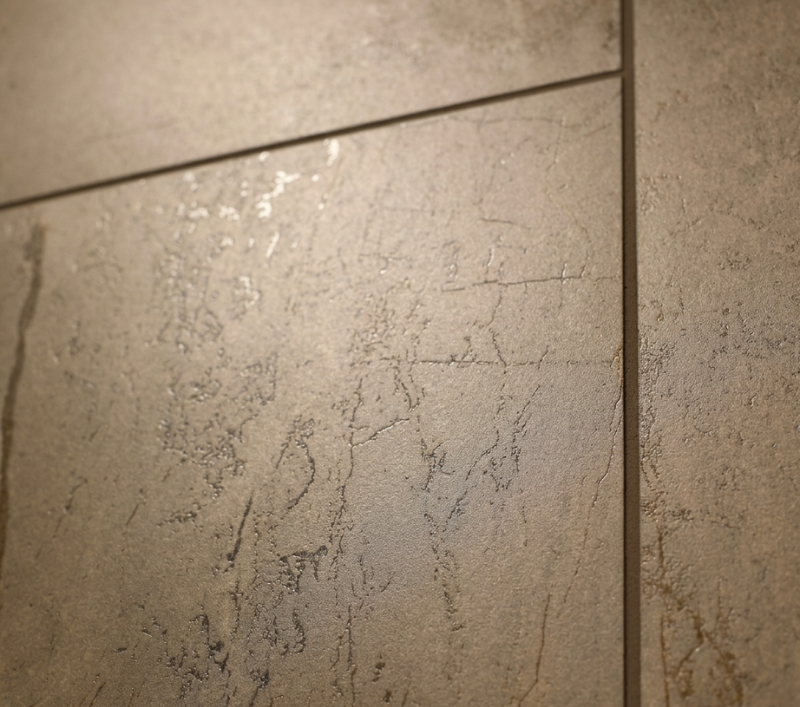
Integrate screen printing with enamels and digital inks to enrich the design and enhance the final result.
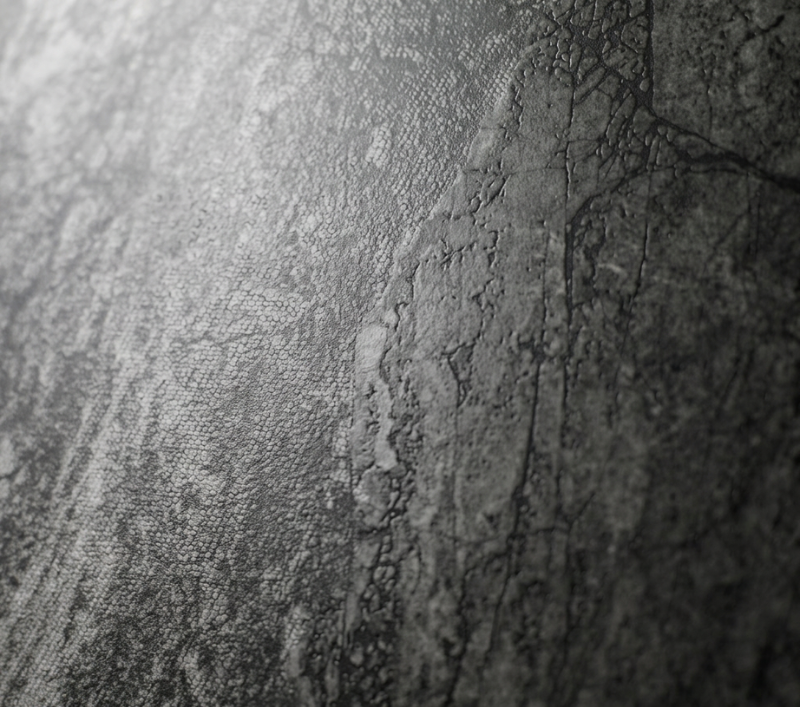
Create unique details and visual effects that add character and value to the ceramic product.
Ceramic screen printing is a decoration technique that allows for the transfer of pastes, glazes, and other materials onto specific areas of a ceramic surface.
It can be used to create resists, textures, relief effects, glossy or matte finishes, and other effects prior to firing the piece.
These are formulations composed of ceramic materials and a vehicle that allows for the adjustment of viscosity, stability, and application behavior.
The paste composition is adjusted based on the desired effect, the amount of material required, application conditions, and the firing temperature.
The screen-printing vehicle is the phase that facilitates the dispersion, transport, and application of the paste's solid components.
It directly influences properties such as viscosity, thixotropy, drying, wetting, and stability, making it a decisive factor in achieving proper behavior during the process.
Although digital inkjet decoration has replaced many applications traditionally carried out via screen printing, this technology continues to be used for specific processes and effects that require particular paste behavior or a specific amount of material deposition on the surface.
Its use depends on the product design, the production process, and the desired performance characteristics.
Digital printing enables the reproduction of designs, details, and color variations using inkjet technologies with a high degree of precision and flexibility.
Screen printing can be used in specific applications where it is necessary to work with specific formulations or apply a particular amount of material.
The choice of technology depends on the desired effect and the configuration of the production process.
Yes. Screen-printing applications can be integrated into processes that also utilize digital decoration.
The combination must be validated, taking into account the order of application, drying, inter-layer adhesion, and potential material interactions during firing.
The selection depends on the desired effect, the amount of material required, the ceramic substrate, the glaze characteristics, the application conditions, and the firing curve.
Parameters such as viscosity, thixotropy, particle size distribution, drying time, and surface behavior after firing must also be evaluated.
Viscosity determines the ease with which the paste flows during application, while thixotropy dictates how its behavior changes when subjected to movement and how it subsequently regains its structure.
The balance between these two parameters is crucial for achieving uniform transfer, preventing material displacement, and preserving the definition of the effect.
Potential issues include irregular transfer, excessively rapid drying, foaming, material displacement, or variations in the amount deposited.
To correctly identify the source of the problem, it is necessary to analyze the formulation, the application system, and the environmental and production conditions in conjunction.
Yes. The composition, particle size distribution, and vehicle can be adjusted according to the required effect and the client's production conditions. Development may include laboratory testing, rheological adjustments, trials on various surfaces, and validation under conditions simulating actual production.
Checks may include testing particle size distribution, viscosity, thixotropy, stability, drying, and behavior during application and firing.
These tests make it possible to verify the consistency of each product grade and its suitability for the process for which it was developed.
Yes. Kerafrit’s technical team can assist the client with the selection, adjustment, and validation of screen-printing pastes and vehicles.
Technical support covers application conditions, compatibility between different layers, and product behavior during the production process.
High-precision rotary application and rheological consistency for technical effects.
Ceramic screen printing remains a viable solution for specific processes requiring the deposition of pastes, glazes, or technical materials onto precise areas of a surface. Screen printing pastes must exhibit appropriate rheological properties to ensure uniform application and maintain their characteristics after deposition. Parameters such as viscosity, thixotropy, particle size distribution, drying behavior, and stability directly influence material transfer and the final definition of the effect.
Kerafrit develops screen printing pastes, bases, and vehicles to create relief effects, textures, gloss and matte finishes, lustres, resists, and other special effects. Formulations can be tailored to the specific substrate, glaze, digital decoration, and firing cycle used by each client.
In a landscape where inkjet technologies are increasingly dominating decorative applications, the development of screen printing solutions focuses primarily on needs where the formulation, rheological behavior, or material deposition requires a specialized approach. Kerafrit’s technical team works closely with the client during the development and validation phases to adapt each product to actual production conditions.