Melting control, stability and compatibility in cooking
Ceramic frits developed to control melting, stability, and glaze behavior, adapting to the technical conditions of each production process.
The technical basis of the enameling system
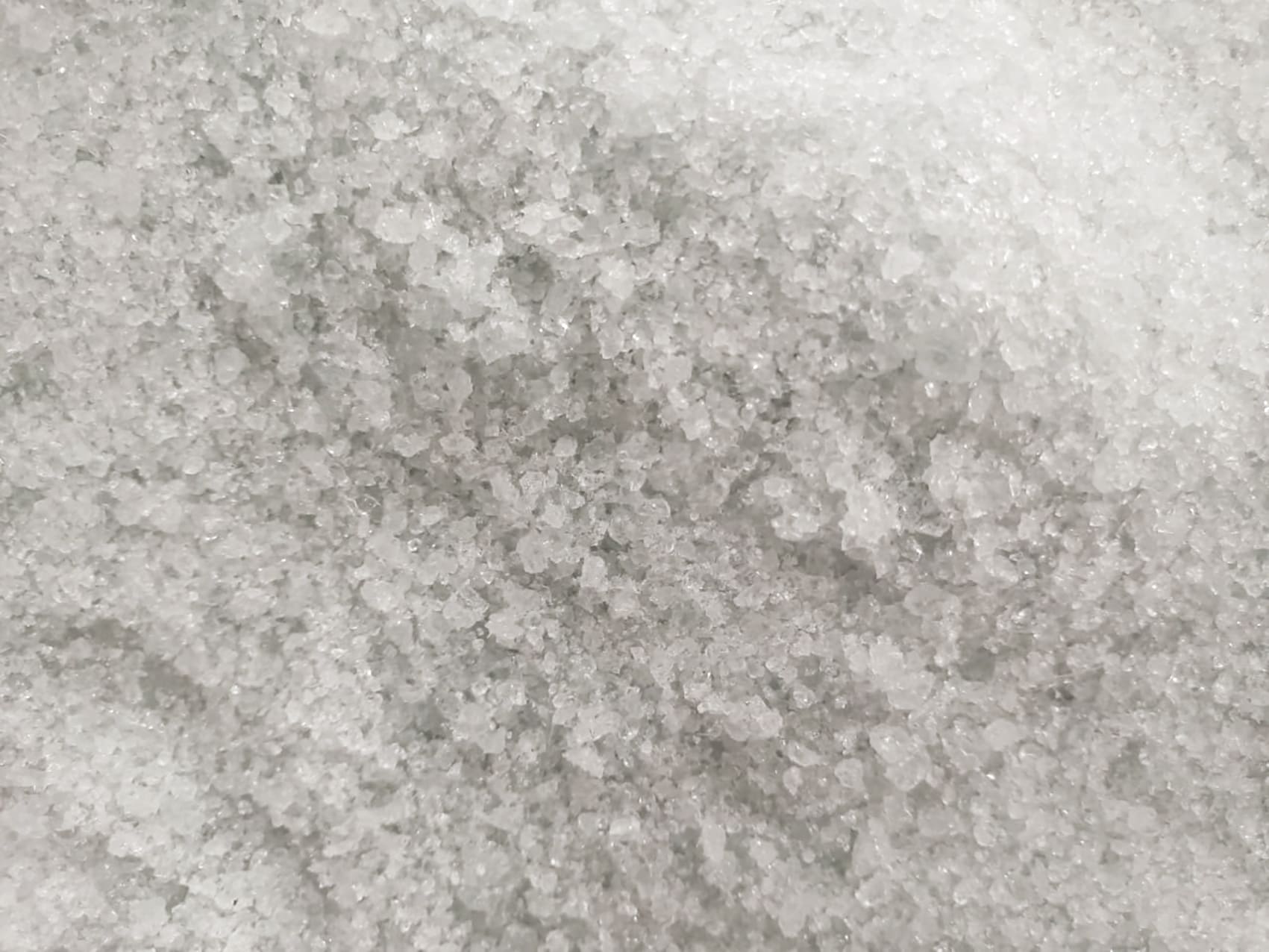
Ceramic frits are a fundamental component in the formulation of glazes, engobes, and granules. Their composition directly influences glass phase formation, melting temperature, firing stability, and the development of the final finish. As a manufacturer of ceramic frits, Kerafrit develops compositions tailored to various body types, temperatures, firing cycles, and production technologies.
Each formulation is adjusted based on variables such as the coefficient of thermal expansion, melt viscosity, reactivity, and interaction with other components of the ceramic system.
Our goal is to provide reliable, consistent frits that integrate seamlessly into actual manufacturing conditions and contribute to the technical and aesthetic stability of the final product.

They regulate the temperature and behavior of the enamel during firing.
Adjusted to paste, slip and glaze for a stable assembly.
Controlled behavior in demanding and repetitive industrial cycles.
Formulations tailored to the actual production process, technology, and parameters.

Wall Double Fast Firing
Transparent/Opaque/Matte/Gloss

Wall Single Firing (Porosa)
Transparent/Opaque/Matte/Gloss

Floor Single Firing
Transparent/Opaque/Matte/Gloss

Gres/Porcelain
Transparent/Opaque/Matte/Gloss

Engobe
Transparent/Opaque/Matte/Gloss

Specials
Transparent/Opaque/Matte/Gloss

The following values represent the general parameters for the product range. Specific specifications may vary depending on the reference, application, and production conditions.
Medium particle size (D50)
10 – 25 µm (depending on reference and application)
Particle size distribution (D90)
≤ 45 µm (fine grinding for wet applications)
Supply format
Micronized / Granulated (according to customer process)
Coefficient of thermal expansion (CTE 40–400 °C)
[5.0 – 11] ×10⁻⁶ K⁻¹ (adjustable to paste and system)
Softening temperature (Tr)
650 – 850 °C (depending on the type of fry)
Glass transition temperature (Tg)
500 – 650 °C
Recommended cooking range
950 – 1250 °C (low and high temperature)
Viscosity of the melt
Medium / Low (depending on formulation and end use)
Lead (Pb) content
Lead-free (no added Pb)
Chemical resistance (ISO 10545-13)
GA / GLA / GHA (depending on system and finish)
System compatibility
Glazes, engobes, granules and digital decoration
Production stability
High batch-to-batch reproducibility
Formulated to control transparency, opacity and surface finish development.
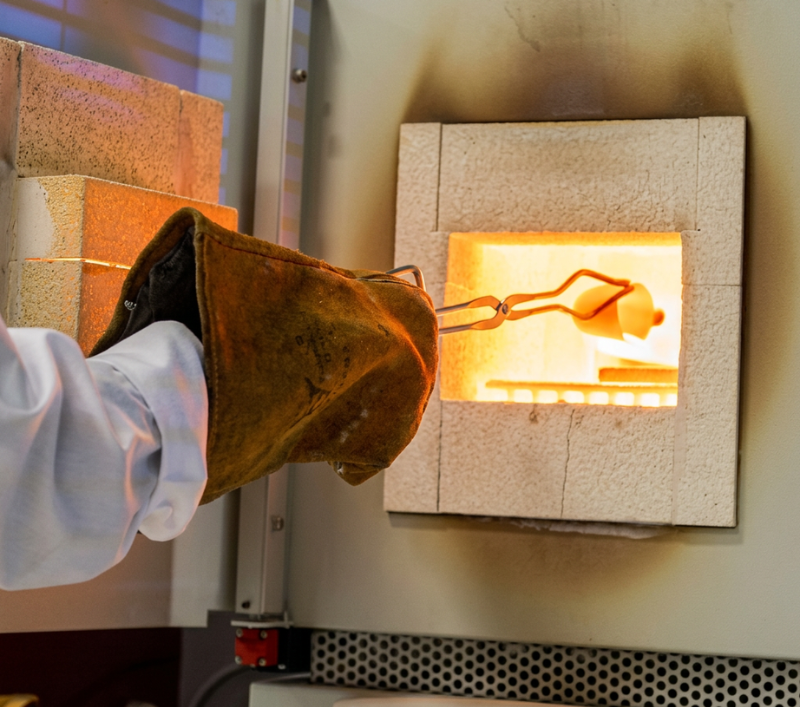
Adapted to different thermal ranges depending on the ceramic body and kiln cycle.
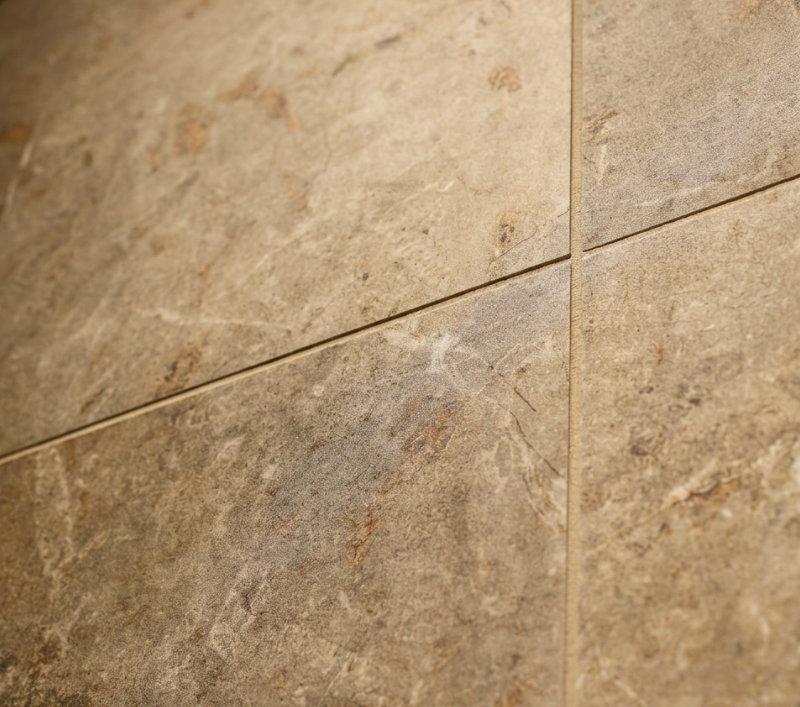
Solutions aimed at improving chemical and mechanical resistance, surface behavior, or performance of digital inks.
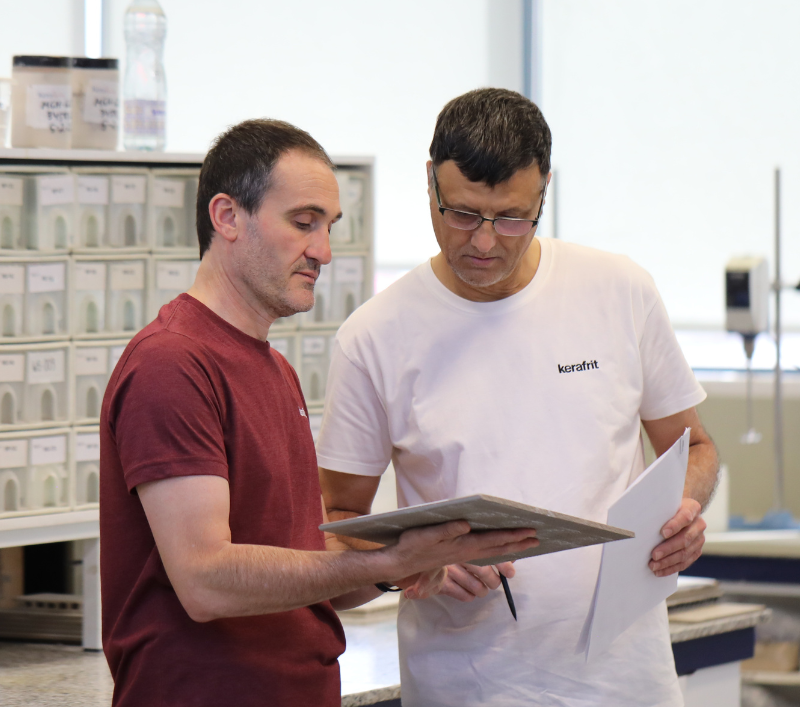
Fried foods formulated specifically according to the customer's technical conditions.
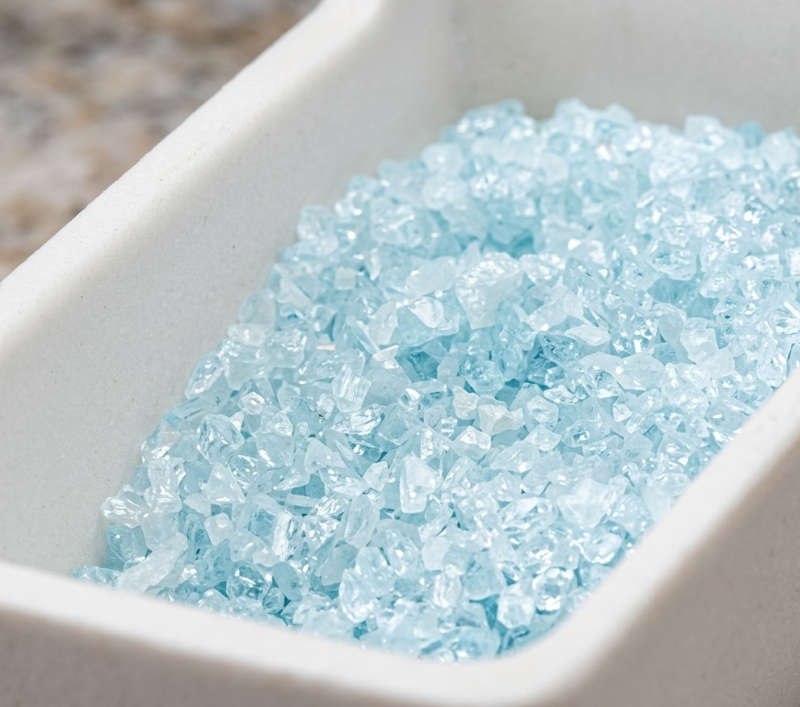
Ceramic frits are vitreous materials obtained through the controlled melting and subsequent rapid cooling of a mixture of inorganic raw materials.
They are primarily used in the formulation of glazes, engobes, and granules. Their function is to facilitate the formation of the vitreous phase, control melting, and contribute to the development of properties such as gloss, opacity, texture, chemical resistance, and thermal stability.
Frits can be classified according to their behavior and application. Key types include transparent, opaque, matte, glossy, fluxing, colored, and special frits.
The selection depends on the type of substrate, the desired finish, the firing temperature, and the composition of the rest of the ceramic system.
Yes. We adjust the composition of the frit to work correctly, according to the customer's process.
A standard frit is formulated to suit typical application and firing conditions. A custom-developed frit is specifically tailored to a factory's materials, technology, and production parameters.
Custom development allows for the adjustment of properties such as the coefficient of thermal expansion, fusibility, melt viscosity, opacity, gloss, and inter-layer compatibility.
Yes. Reactivity, softening temperature, and melt viscosity can be adjusted to suit faster firing cycles.
Before validating the solution, it is necessary to verify its behavior in conjunction with the body, engobe, glaze, and decorations used on the product.
The selection process must take into account the type of substrate, the temperature and firing curve, the desired finish, the coefficient of expansion, the melt viscosity, and the interaction with the other raw materials.
Analyzing these variables together makes it possible to select or develop a frit that is compatible with the actual conditions of the production process.
The frits undergo checks regarding composition, particle size distribution, melting behavior, and thermal characteristics. Laboratory analyses and application tests are also conducted to verify stability and batch-to-batch reproducibility.
These checks ensure that each product grade maintains the established parameters prior to its incorporation into the industrial process.
Frits can be supplied in micronized or granulated form, depending on the preparation, storage, and application system used by the customer.
The most suitable format is determined based on the industrial process and the characteristics of the final formulation.
The range is formulated without added lead. Specific specifications and applicable technical requirements must be verified for each product reference and target market.
A manufacturer of ceramic frits must ensure batch-to-batch stability, control of thermal properties, adaptability to different processes, and technical support during industrial validation.
They must also have the capability to develop custom formulations and analyze the interaction of the frit with the body, engobe, glaze, and decorations.
Yes. Kerafrit’s technical team supports the client throughout the selection, development, and validation of the frit.
This work may include formulation analysis, testing, adaptation to the firing curve, and performance verification under conditions simulating industrial production.
Everything you need to know about ceramic frits
Fundamental vitreous material for the development of stable glazes.
Ceramic frits are vitreous materials produced by melting a controlled mixture of inorganic raw materials, followed by rapid cooling. Once incorporated into glazes, engobes, or granules, they contribute to the formation of the vitreous phase and the development of the ceramic surface's technical and aesthetic properties. Selecting a frit depends on more than just the desired finish; factors such as the ceramic body, firing curve, coefficient of thermal expansion, softening temperature, melt viscosity, and compatibility with other layers in the system must also be considered. Kerafrit manufactures ceramic frits for various industrial technologies and processes. We develop transparent, opaque, matte, glossy, and specialty frits, as well as custom formulations tailored to each client's specific materials and production parameters. Our work integrates formulation, quality control, application testing, and technical support to deliver solutions that are stable, reproducible, and compatible with actual manufacturing conditions.