Technological innovation in tile manufacturing
Technical innovation is not an end in itself; it makes sense when it addresses a specific need. When it improves a surface, ensures an effect, enhances resistance, facilitates application or makes a production line more stable.
At Kerafrit, we understand each glaze, ink, grit or additive as part of a system. Materials do not act in isolation: they respond to the design, the production line and the final use of the tile.
New processes and advances in ceramic production
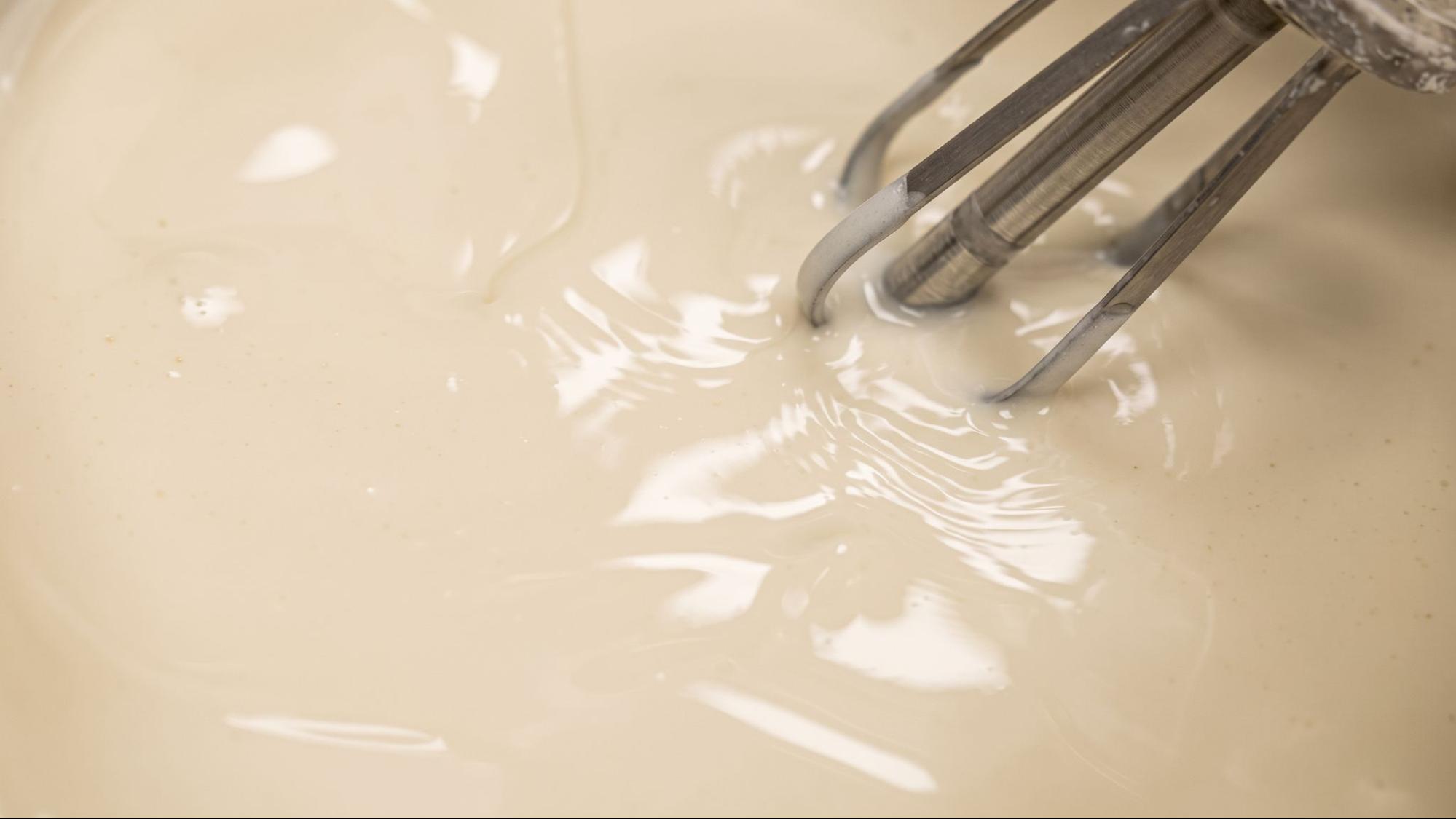
Stability is built through attention to detail. Viscosity, particle size distribution, application, drying and firing are all interconnected. A small variation at any of these stages can affect the final appearance, resistance or repeatability.
For this reason, industry progress does not depend solely on automation. It depends on integrating data, technical expertise and decision-making capabilities. Non-destructive inspection, real-time control systems and artificial intelligence tools make it possible to anticipate deviations and protect quality before a problem reaches the end of the production line.
Industrial digitalisation provides value when it supports better decision-making. For this reason, the ASEBEC 4.0 Guide is designed to support ceramic machinery and tile manufacturers throughout this transition. It promotes the complete interconnection of production plants and the implementation of enabling technologies such as the Internet of Things (IoT), Artificial Intelligence and Digital Twins.
Technology applied to product design and development
Design and technology cannot progress separately. An attractive surface must be viable in the factory, retain its character after firing and meet market requirements.
Digitalisation has expanded the ability to work on surfaces with greater precision. Today, glazing systems and digital ink decoration make it possible to control the amount of material applied more accurately, create more defined effects and develop reliefs, textures or finishes coordinated with the tile graphics.
This evolution is particularly relevant when working with glazes and water-based suspensions. On-demand digital application makes it possible to adjust material deposition, reduce waste and open up new possibilities for delicate substrates or developments in which the uniformity of the base layer is essential. The value does not lie solely in digitalising one stage of the process, but in ensuring that each application responds more accurately to the desired effect.
Platforms capable of combining dry and wet digital decoration are also advancing. Coloured powders, grits, structuring adhesives, full-field glazes and special effects can work together to create surfaces with greater depth, synchronised relief and visual continuity, particularly in large formats.
This is transforming the way collections are developed. Graphics are no longer added at the end of the process as an independent layer. They are developed together with the glaze, structure, protection and firing cycle. Each element contributes to the final result.
The most valuable innovation brings together material expertise and product vision. It transforms an aesthetic intention into a surface that performs, can be reproduced consistently and adds value to a collection.
Design trends transforming the tile market
Trends are not limited to a colour or texture. They reflect new ways of living, understanding spaces and seeking a balance between emotion, functionality and durability.
In ceramics, every trend requires a technical interpretation. A matt finish, a mineral texture, a subtle relief or a high-gloss surface requires a formulation capable of maintaining its identity throughout the entire production process.
New ceramic formats, finishes and styles
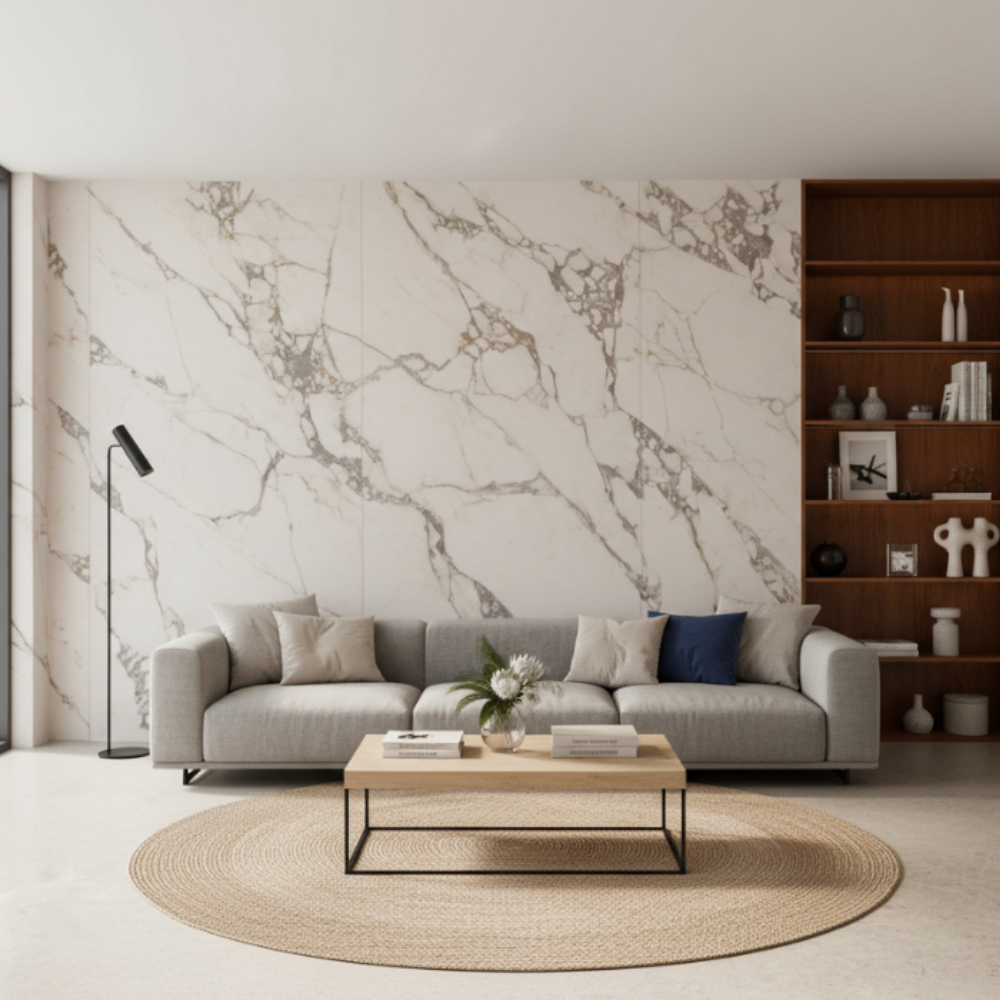
Large formats remain relevant due to their ability to create visual continuity and reduce the number of joints. At the same time, thinner tiles provide new opportunities in renovation, refurbishment and applications where weight and ease of installation are decisive factors.
Small and medium formats are also regaining prominence, particularly in irregular geometric compositions. This combination of different scales expands design possibilities and requires solutions adapted to each application.
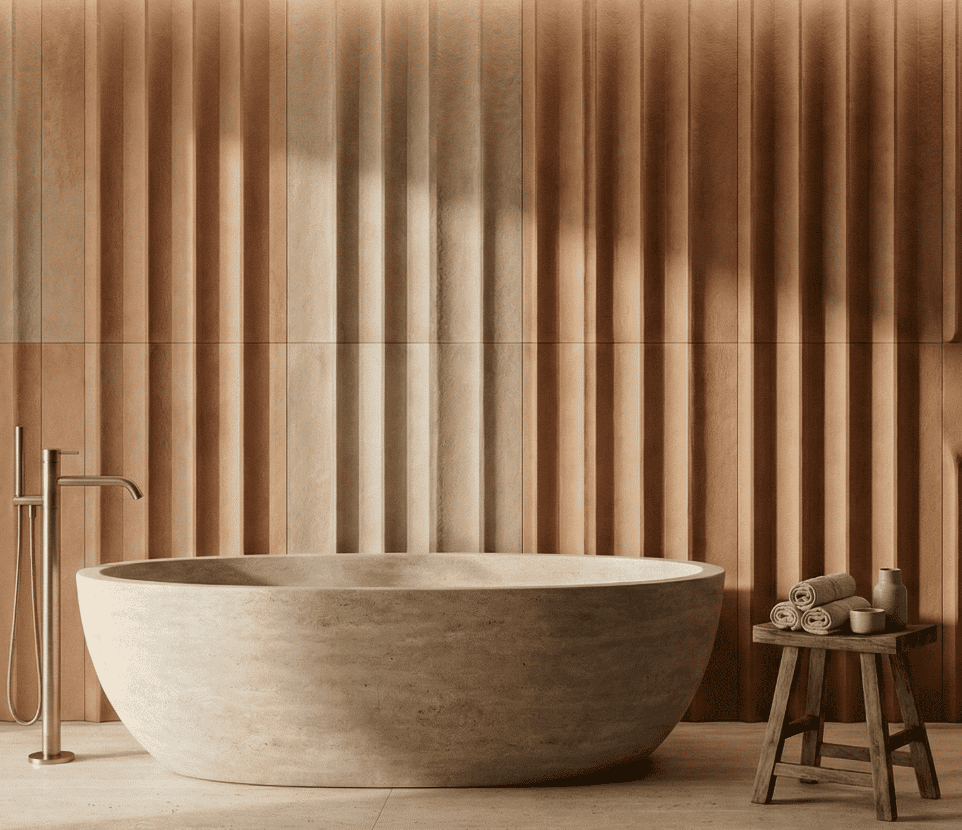
In terms of finishes, matt, silky and mineral surfaces are becoming increasingly important. Microtextures, controlled reliefs and combinations of smooth and structured areas make it possible to create more sensory surfaces, with visual depth and a richer relationship with light.
The creative directions shaping the market include:
Design trend | Creative direction | Surface, texture and finish | Reference colour palette |
|---|
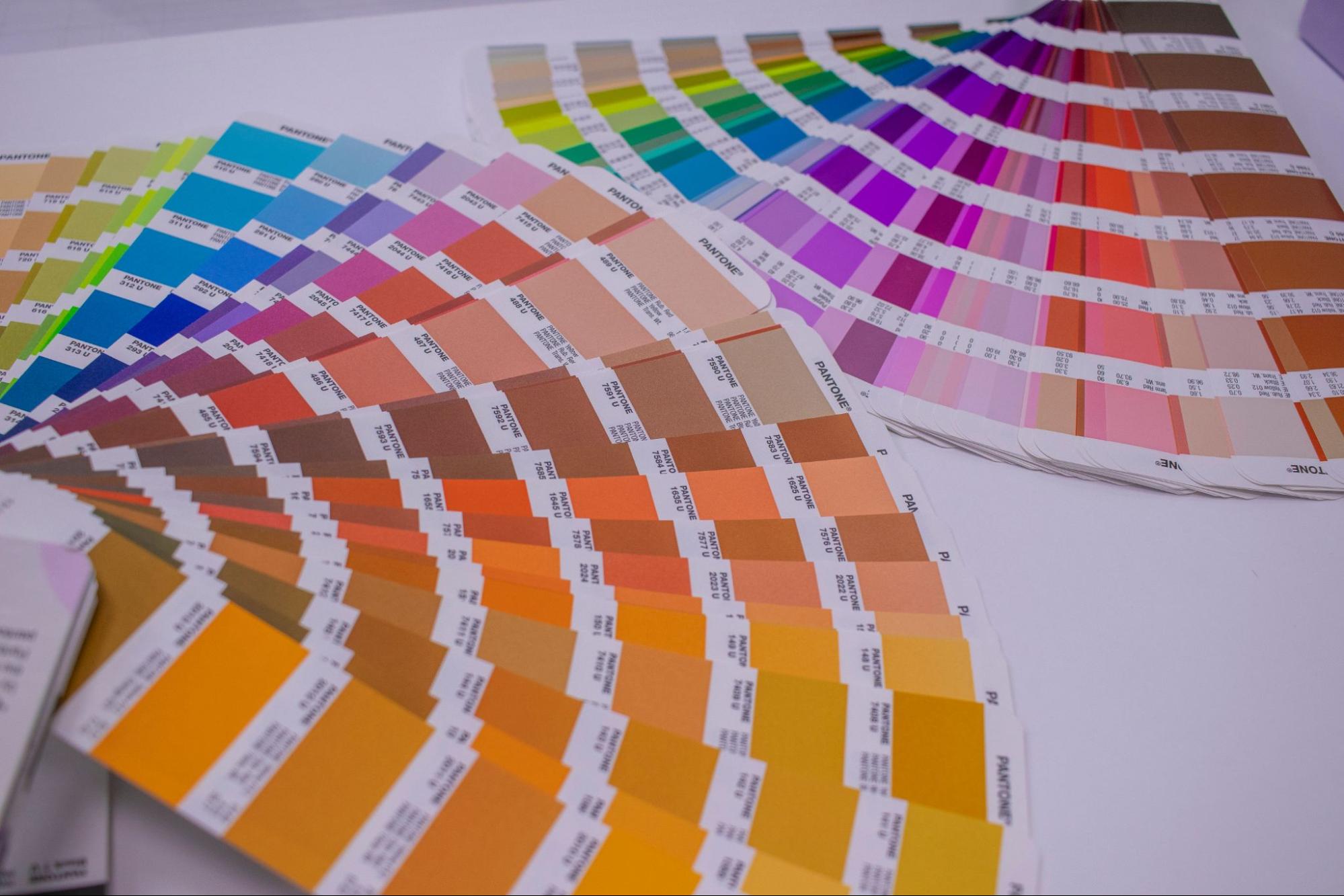
Geomatter / Stratum / Biolith | A return to nature: geological landscapes, slower rhythms and imperfections that bring authenticity. | Irregular mineral reliefs, stone-like textures, aged patinas and non-repeating veins. Surfaces that evoke stone, earth or wood, with visual depth and a tactile material quality. | Ochres, terracottas, mineral greys, petrified greens, soft blacks and deep browns. |
Heritage Play | Design rediscovers colour, memory and expressiveness. Retro, Art Nouveau and handcrafted references are reinterpreted through new compositions and digital application possibilities. | Graphic geometries, checkerboard patterns, floral motifs, decorative reliefs and handcrafted-looking textures. Finishes that combine visual rhythm, colour and detail. | Butter yellows, dusty greens and pinks, combined with more saturated blues, oranges, browns and creams. |
Innerland | The home is understood as a place of refuge. A trend that seeks balance, calm and wellbeing through warm, welcoming and sensory surfaces. | Soft shapes, silky-matt finishes and flowing microtextures that invite touch. Serene surfaces with low reflectivity and visual continuity. | Off-whites, warm beiges, natural sands, dusty greys and neutral pastel tones. |
Dramatic Opulence | A more restrained and sensory form of luxury, based on contrast, depth and the presence of the material. Less obvious ornamentation; greater intensity in the finish. | Contrasts between smooth and structured areas, sculptural reliefs, controlled metallic reflections and distressed or veiled effects. | Misty greys, opalescent silvers, steel blue, deep dark pigments and aged gold accents. |
How the preferences of architects and consumers are changing
The evolution of tiles is aligned with the demands of architects, interior designers and specifiers, as well as end users, who expect solutions capable of performing beyond their visible appearance.
Ceramic specifiers look for solutions that combine aesthetics, technical viability and on-site efficiency. Format, resistance, maintenance, slip resistance and environmental information all form part of the same decision.
For end users, value is increasingly focused on everyday wellbeing: surfaces that are easy to maintain, pleasant to the touch, visually balanced and capable of responding to the actual use of a space.
Functionality must be integrated without becoming dominant. A technical surface can provide resistance, grip or protection without compromising the aesthetic sensitivity that defines a project. In more demanding applications, protective glazes help enhance resistance to wear, scratching and chemical attack.
Digitalisation and new forms of commercialisation in the tile sector
Digitalisation is transforming the way we share information, document developments and accelerate decision-making. However, it does not replace human relationships. It makes them more accessible and useful.
A good digital environment makes it possible to compare references, consult technical information, find inspiration and progress more efficiently. Dialogue, the interpretation of each challenge and ongoing support remain irreplaceable.
Digital channels and relationships with distributors and customers
Commercial digitalisation does not replace the technical relationship. It makes it more agile, accessible and useful.
Technical content, development case studies, product data sheets, inspiration spaces and specialist support help stakeholders make decisions with greater confidence. In a B2B environment, sharing clear and applicable information strengthens commercial relationships and facilitates collaboration between production, product, purchasing and design teams.
B2B platforms and private customer environments are also gaining relevance. They make it possible to centralise documentation, consult references, manage orders and maintain more fluid communication across international markets.
At the same time, BIM libraries and specification tools based on technical data bring ceramic products closer to architects and specifiers from the earliest stages of a project. Information on use, performance, maintenance and environmental impact therefore becomes another part of the value proposition.
Artificial intelligence-based visualisation and simulation tools, such as virtual showrooms, are beginning to gain ground at this stage. They make it possible to interpret a surface within a space, compare alternatives and visualise patterns, formats or finishes before making a decision. For architects, distributors and sales teams, this can reduce uncertainty and facilitate more precise conversations from the outset.