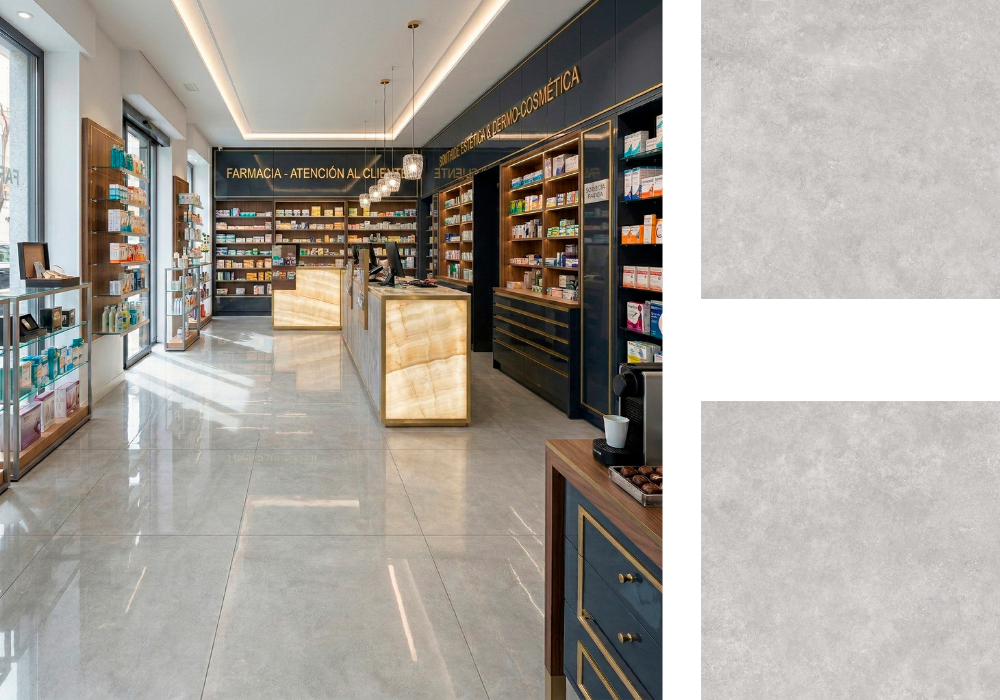
Slip resistance is assessed using standardised methods. The DIN EN 16165:2021-12 standard establishes evaluation methods for the slip resistance of pedestrian surfaces, including inclined plane, pendulum and tribometer tests. In addition, R9 to R13 classifications are used to assess anti-slip properties in commercial applications according to the tested angle of inclination.
That is why, when we develop a texture, we do not only think about how it looks. We think about how it performs.
Relevance in the ceramic industry
In the ceramic industry, a texture must answer three questions:
Does it add value to the design?
Does it perform in its intended application?
Can it be produced consistently?
That third question is crucial. Because an idea may be excellent in the laboratory, but it needs to become a reliable solution on the production line.
Added value and product differentiation
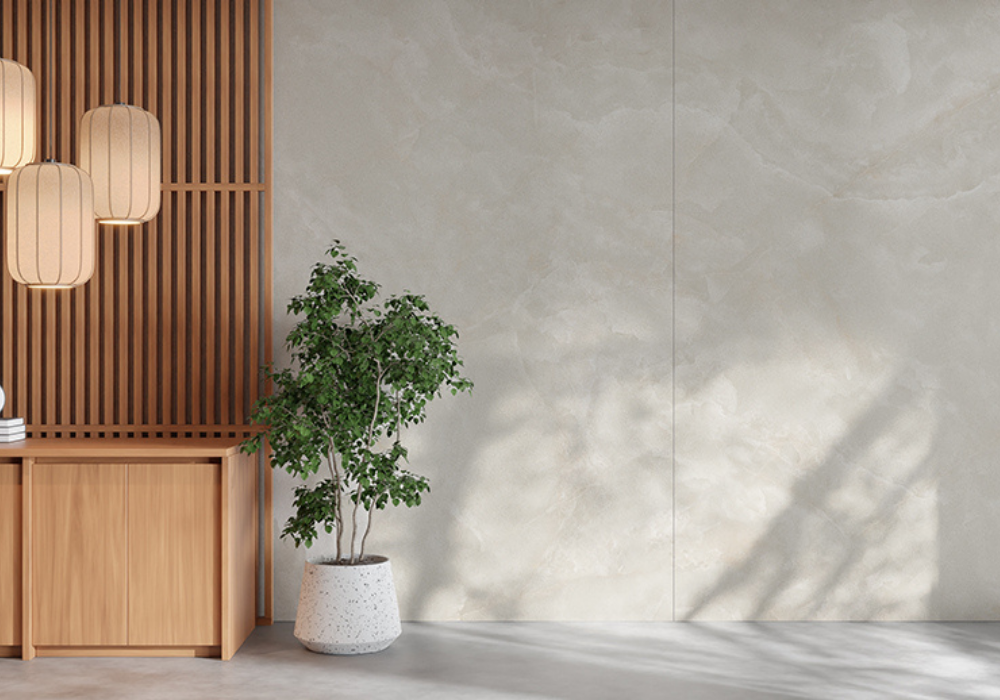
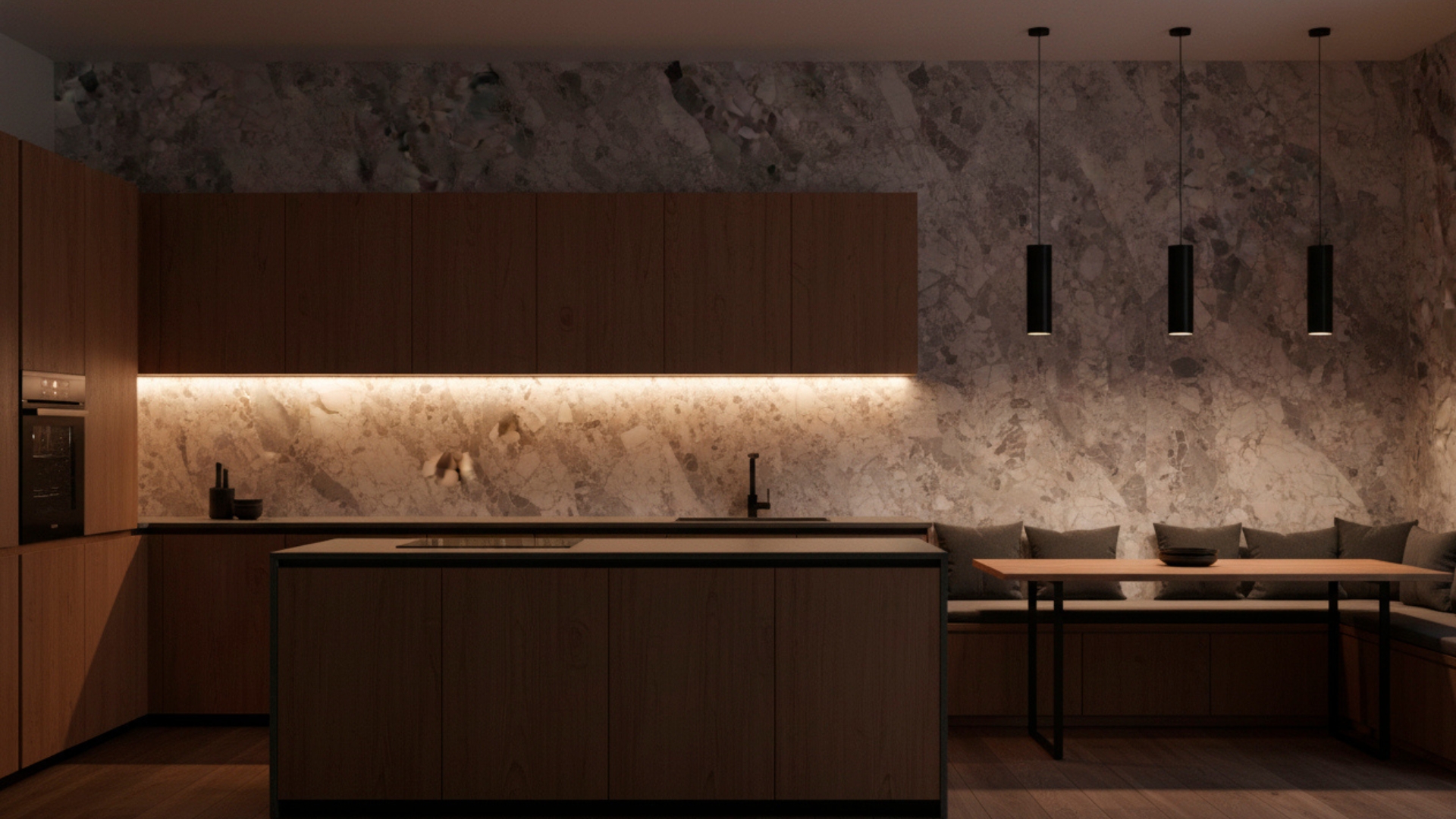
Textures allow collections to develop a clearer identity. In a market where many surfaces compete to imitate stone, cement, wood or natural materials, the difference lies in the detail: the precise sheen, the right relief, visual depth, tactile quality, graphic continuity and the way the surface responds to light.
A well-developed texture can transform a collection into a more distinctive proposal. It adds value for the product manager, inspiration for the designer and strong arguments for the sales team.
Type of value | What the texture contributes | Why it matters |
Aesthetic | Depth, relief, nuances and interplay with light | Makes the collection more attractive and memorable |
Sensory | Touch, warmth and physical experience | Connects with users, architects and designers |
Technical | Grip, durability or surface protection | Improves performance in real-world use |
Commercial | Differentiation and perceived value | Helps position the product against similar alternatives |
Industrial | Repeatability and stability | Allows the solution to be scaled with confidence |
Scalability and mass production
An industrial ceramic texture must maintain its aesthetic intention during production. To achieve this, variables such as glaze application, particle size, deposited quantity, firing behaviour, relief, tone, sheen, durability and surface cleanliness must all be controlled.
This is where co-creation makes the difference.
Designing a texture is not an isolated act. It is a shared process involving design, laboratory, production and client teams. We test, adjust and validate until we find the balance between what is imagined and what can be manufactured reliably.
Types and techniques of ceramic textures
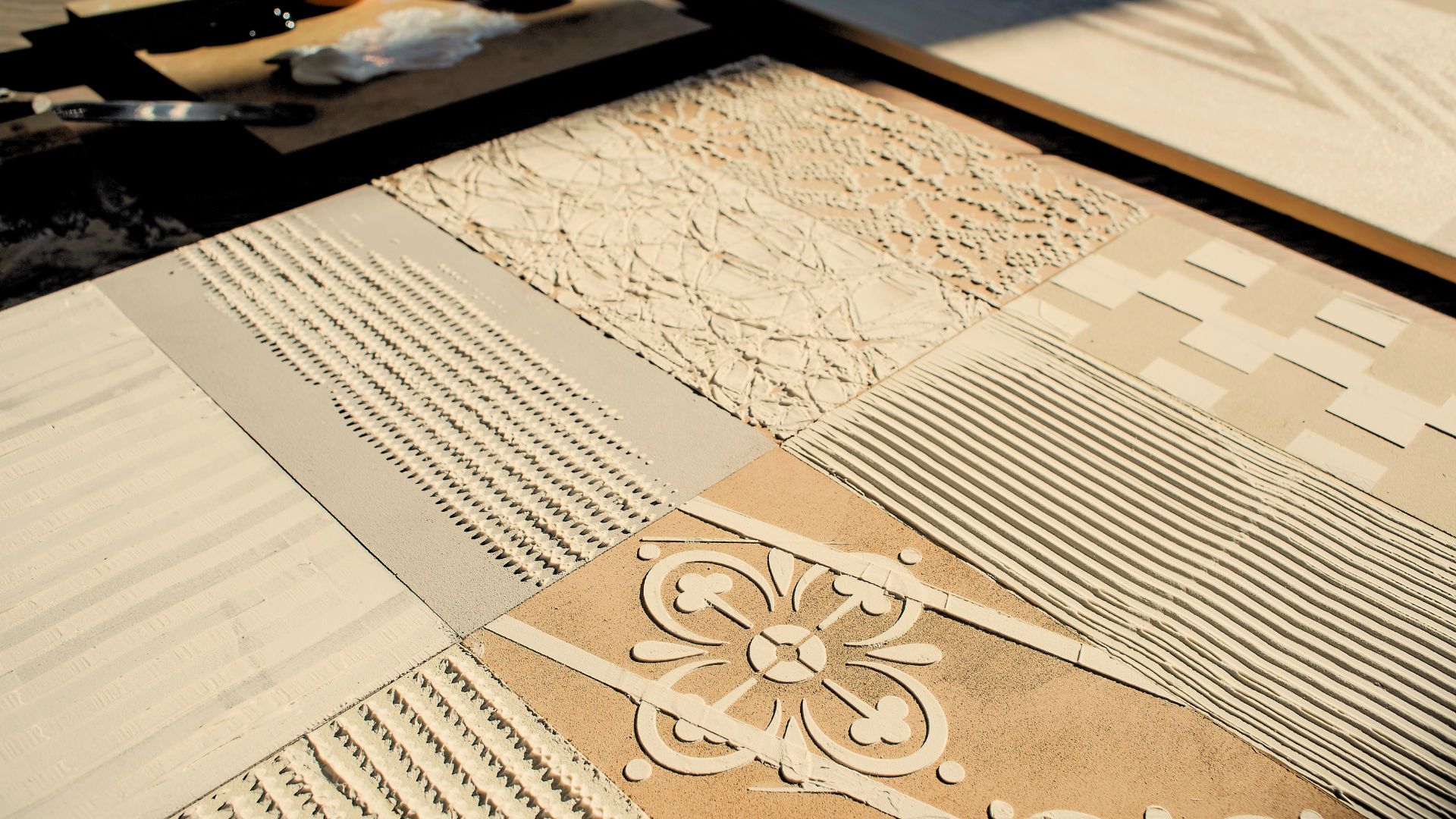
There is no single way to texture ceramics. Each technique responds to a different objective: aesthetics, tactile quality, slip resistance, durability, decorative effect or visual differentiation.
Organic and natural textures
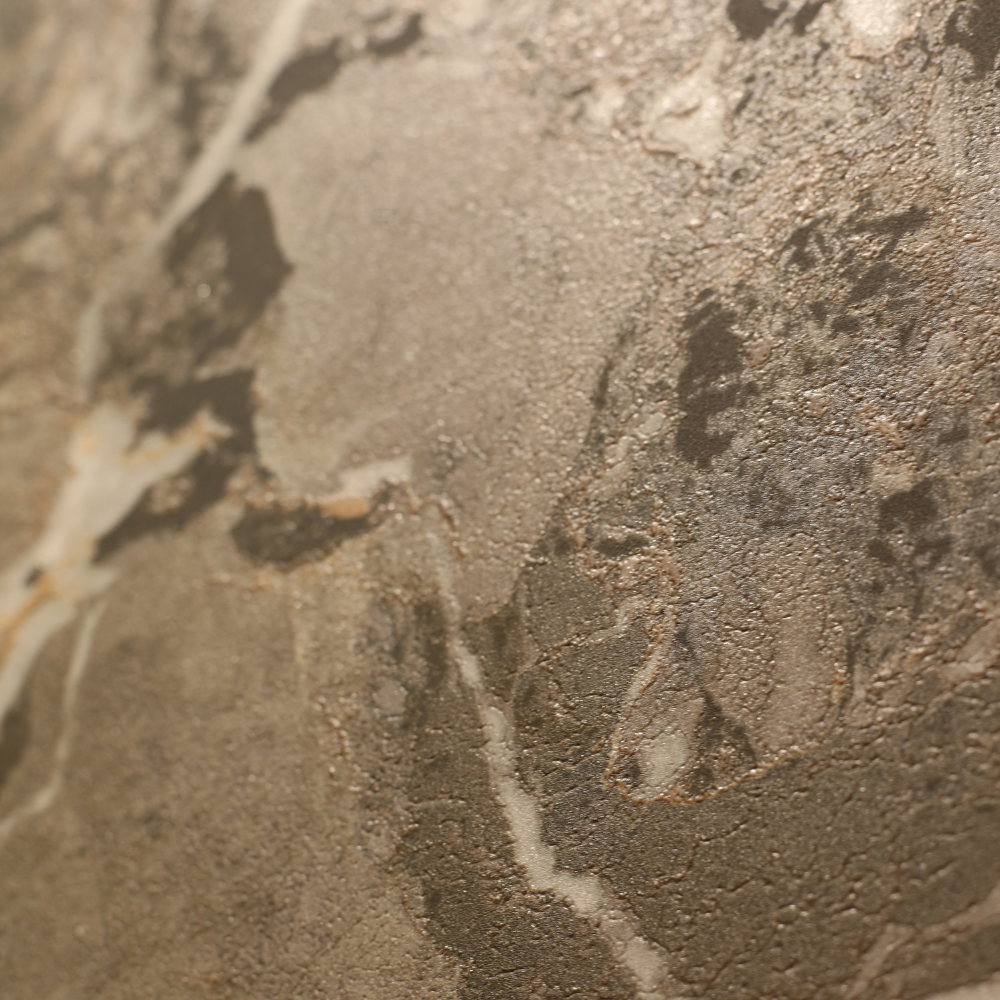
These are textures inspired by living or naturally occurring materials: stone, clay, wood, sand, water, plant fibres or weathered surfaces.
They seek a beauty that is more imperfect and less artificial. They work particularly well in collections inspired by Mediterranean, natural, mineral or artisanal aesthetics.
Common examples include:
Natural stone-style reliefs.
Mineral microtextures.
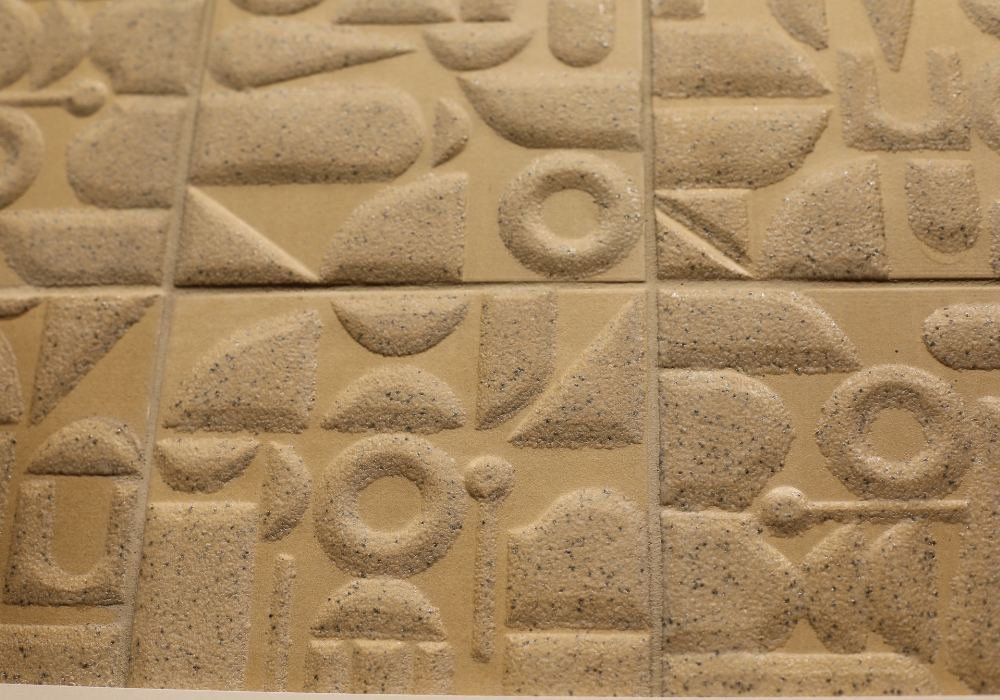
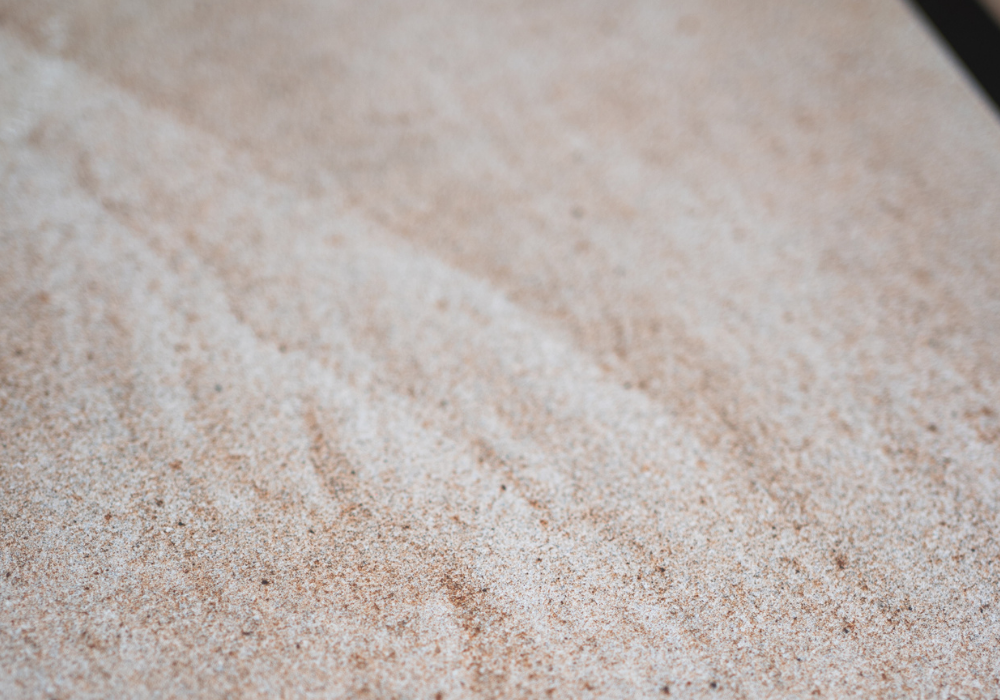
Sandy surfaces.
Grain effects.
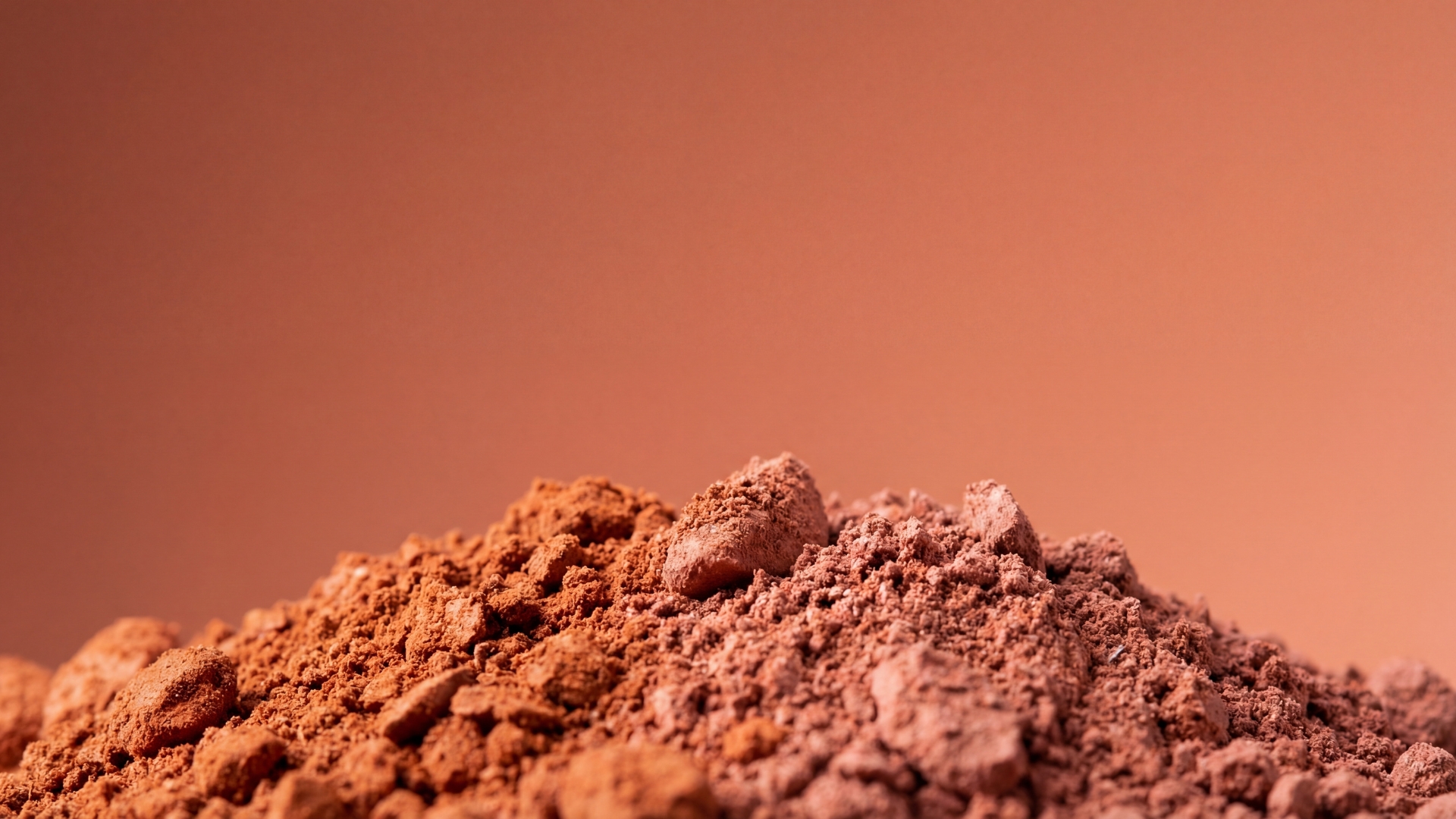
Clay or terracotta finishes.
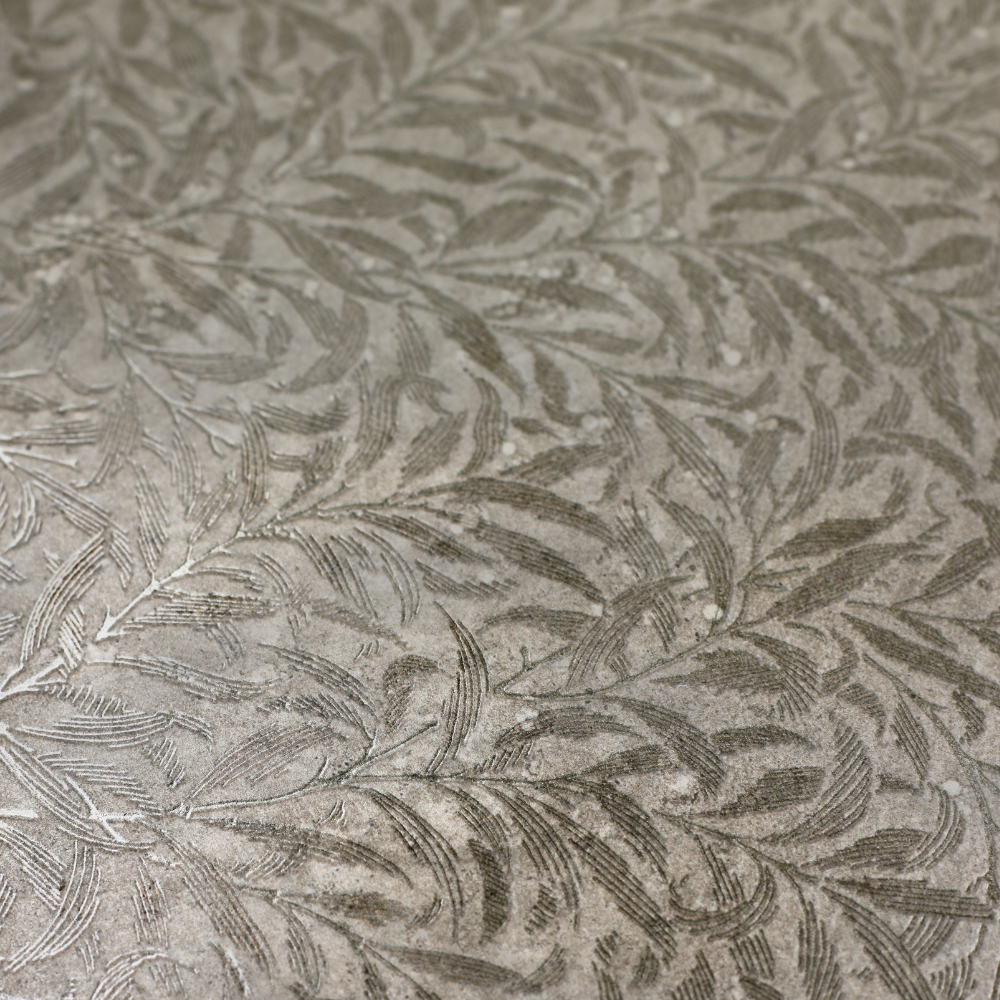
Textures inspired by fibres, paper or fabrics.
These textures connect with a clear trend: a return to the tactile, the human and the material. Not to reject technology, but to use it with greater sensitivity.