CMC allows for rheology control, improved suspension stability, and optimized performance of glazes, engobes, and decorative systems in production.
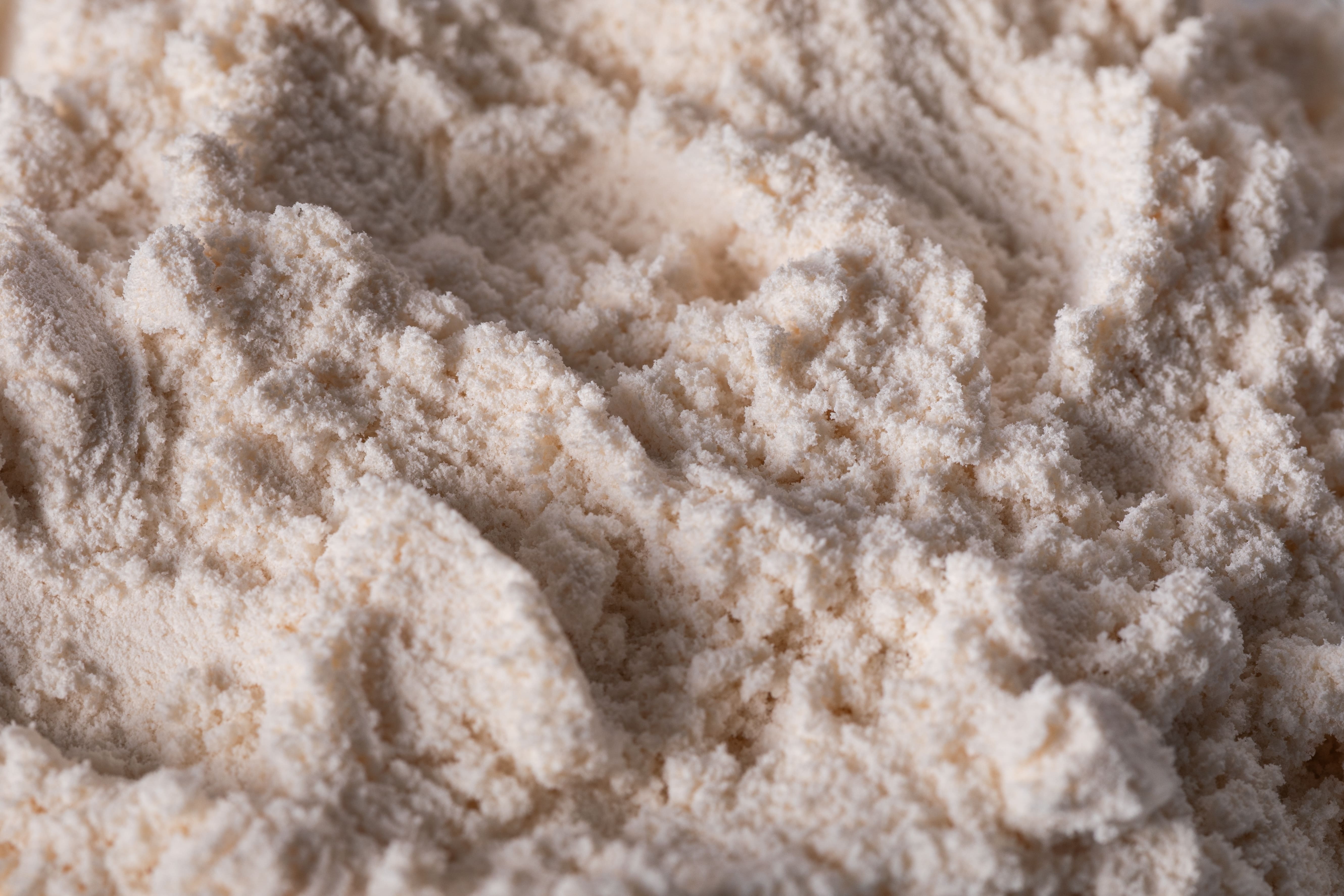
The additive that controls stability and cohesion
Carboxymethylcellulose (CMC) is a fundamental organic additive in ceramic formulations, used as a binder and thickener to regulate rheology, improve solids suspension, and provide cohesion in the raw state.
Its correct selection allows for the stabilization of glazes, engobes, and decorative bodies, optimizing both application and performance during drying and firing.
CMC for enamels
Improves the stability, application and performance of enamels online.
CMC for engobes
It optimizes rheology and cohesion, reducing defects in drying and cooking.
CMC for screen printing
It promotes the definition of the drawing and the regularity of the deposit.
CMC for digital systems
Base prepared to promote color development in inkjet applications.

It allows you to adjust the viscosity, flow, and stability of the suspension.
It provides strength and stability to the layer applied before baking.
Reduces sedimentation and phase separation in glazes and slips.
CMC adjusted to composition, technology and actual factory parameters.

We offer you a private and secure area where you can view the design proposals created for your company. This environment is designed to streamline the creative process, guarantee confidentiality, and facilitate decision-making at every stage of development.

Get inspired, combine, and save your ideas all in one place. Create your own collections, select your favorite designs, and download images that inspire you. A space designed for you to organize your ideas freely and maintain creative control over each project.

Explore a selection of collections designed to inspire new projects. Each one combines innovation, trend, and technique, offering exclusive designs that reflect the essence of Kerafrit and open up new creative possibilities.
Yes. We adjust the type and proportion of CMC according to the glaze, engobe or decorative system, taking into account the actual conditions of each factory.
A properly formulated engobe improves background uniformity, promotes color development, and reduces interference with digital inks, ensuring cleaner and more stable decoration in production.
It helps keep particles in suspension, reducing sedimentation and phase separations at rest or online.
The use of CMC improves suspension stability, regulates rheology, and provides cohesion in the raw material, facilitating a more controlled and uniform application. Furthermore, it helps reduce defects during drying, improves process repeatability, and allows the system's behavior to be adapted to the specific conditions of each factory.
Everything you need to know about carboxymethyl cellulose (CMC)
Organic binder and thickener for total rheological control.
Carboxymethyl cellulose (CMC) is a vitally important polymeric additive in the ceramic industry, used primarily as a binder, thickener, and rheological stabilizer. In the formulation of glazes, engobes, and aqueous inks, CMC interacts with solid particles to keep them in uniform suspension, preventing sedimentation and ensuring a constant application flow. Its presence grants plasticity to the wet layer and significantly increases the mechanical strength of the coating in the green phase before firing.
For the industrial sector, selecting the appropriate viscosity grade of CMC determines the surface quality of the piece, mitigating defects related to rapid drying, such as crazing or retraction of the glaze layer. By regulating water retention and internal cohesion, CMC allows ceramic suspensions to be adjusted to the demands of bell, waterfall, or spray glazing technologies, ensuring a stable and homogeneous in-line process.