Rheological modifiers formulated to adjust viscosity, thixotropy, and flow behavior in water-based ceramic glazes, engobes, and suspensions.
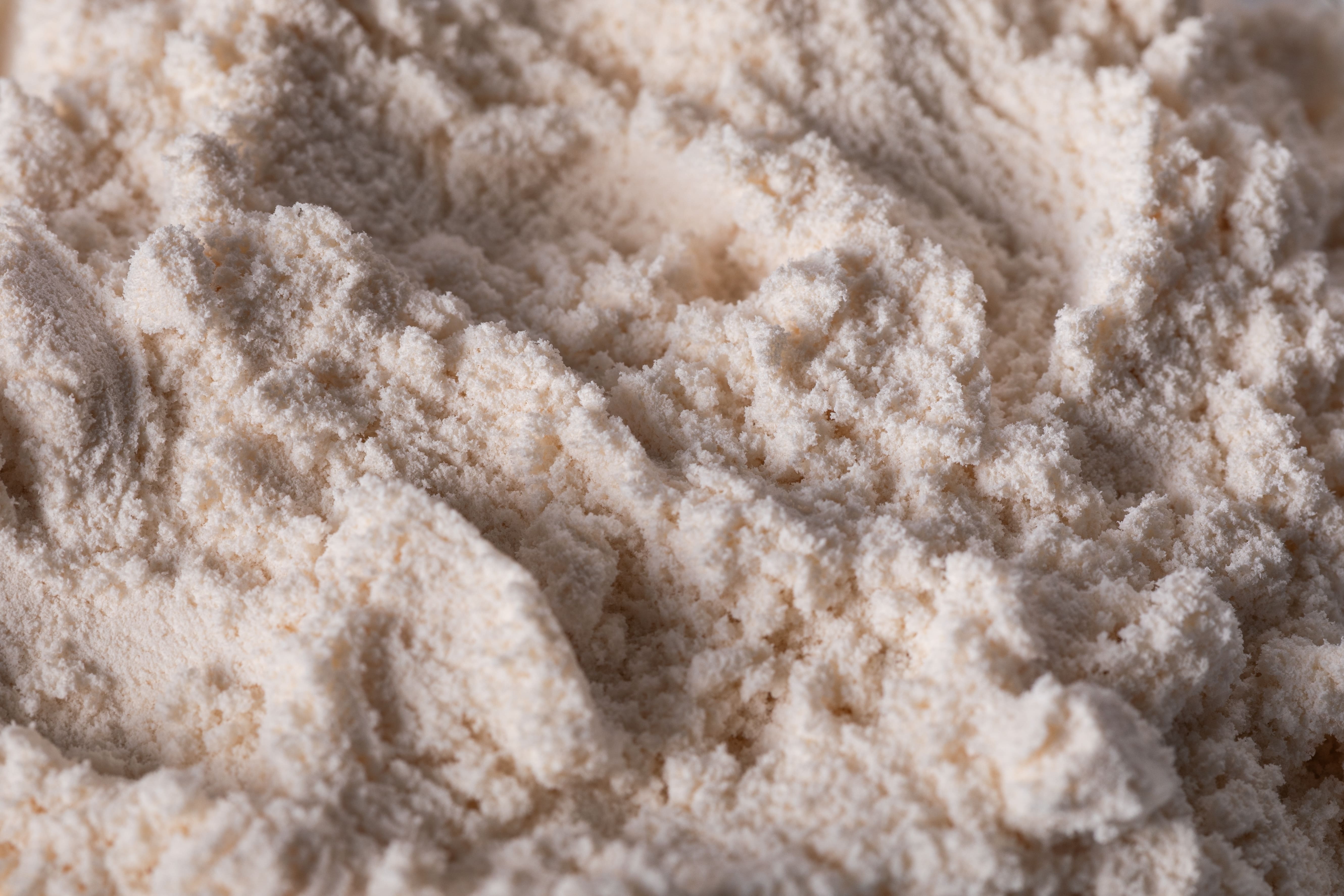
Precise control of flow behavior
Rheology modifiers are water-based additives designed to regulate the flow behavior of ceramic suspensions by adjusting parameters such as viscosity, stability at rest, and response to agitation.
Modifiers for enamels
They adjust viscosity and improve performance during application and storage.
Modifiers for engobes
They optimize stability and thickness control in layers with high mineral load.
Modifiers for technical systems
Designed for applications where specific thixotropy control is required.
Customized solutions
Formulations adapted to composition, technology and production parameters.
Viscosity control
It allows you to adjust fluidity without compromising system stability.
Regulation of thixotropy
Improves behavior at rest and under low mechanical stress.
Suspension stability
Reduces sedimentation and variations during storage.
Adaptation to each factory
Technical adjustment according to composition and actual line conditions.

Improves stability and uniformity during application and pumping.
It allows control of thickness and surface behavior.
Precise flow adjustment in complex technical applications.
Modifiers developed according to specific customer needs.

We offer you a private and secure area where you can view the design proposals created for your company. This environment is designed to streamline the creative process, guarantee confidentiality, and facilitate decision-making at every stage of development.

Get inspired, combine, and save your ideas all in one place. Create your own collections, select your favorite designs, and download images that inspire you. A space designed for you to organize your ideas freely and maintain creative control over each project.

Explore a selection of collections designed to inspire new projects. Each one combines innovation, trend, and technique, offering exclusive designs that reflect the essence of Kerafrit and open up new creative possibilities.
It allows you to adjust the flow behavior of the system, controlling viscosity and stability in application and storage.
The rheological modifier regulates the flow and structure of the system, while the deflocculant reduces viscosity by dispersing particles.
Yes. Proper control of rheology allows for maintaining uniform and stable thicknesses.
Yes. It is formulated to integrate with dispersants, deflocculants, and binders without altering the system's equilibrium.
Everything you need to know about ceramic rheology modifiers
Viscosity and flow control for ceramic suspensions.
Rheology modifiers for the ceramic industry are water-based technical additives designed to precisely regulate the flow behavior of suspensions. In the large-scale production of glazes, engobes, and inks, controlling viscosity, thixotropy, and resting stability is critical to avoid application defects. These compounds interact with solid particles, stabilizing the mixture and ensuring an optimal response to mechanical agitation and in-line pumping.
By integrating these modifiers into the production process, factories are able to maintain a constant layer thickness and prevent problems such as sedimentation or glaze sagging. At Kerafrit, we develop advanced rheological solutions tailored to each client's technology, ensuring homogeneous application, high repeatability, and maximum technical efficiency in tile manufacturing.