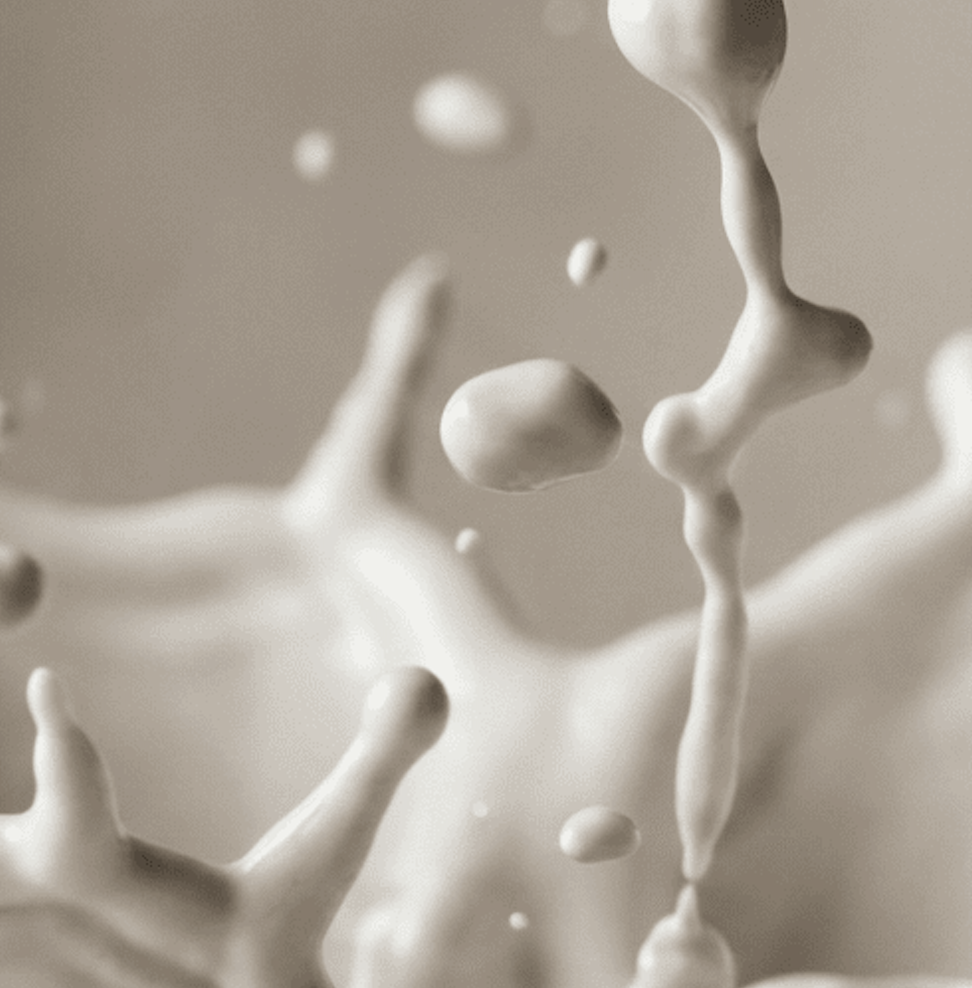
Ceramic deflocculants formulated to improve particle dispersion, reduce viscosity and optimize the stability of porcelain suspensions and pastes in production.
Dispersion control and process efficiency
Deflocculants are essential additives in the formulation of slips, glazes, and porcelain pastes. Their main function is to disperse solid particles, reduce the viscosity of the system, and allow for a higher solids content with less water consumption. This results in more efficient processes, improved pumping, and lower energy costs for drying and atomization.
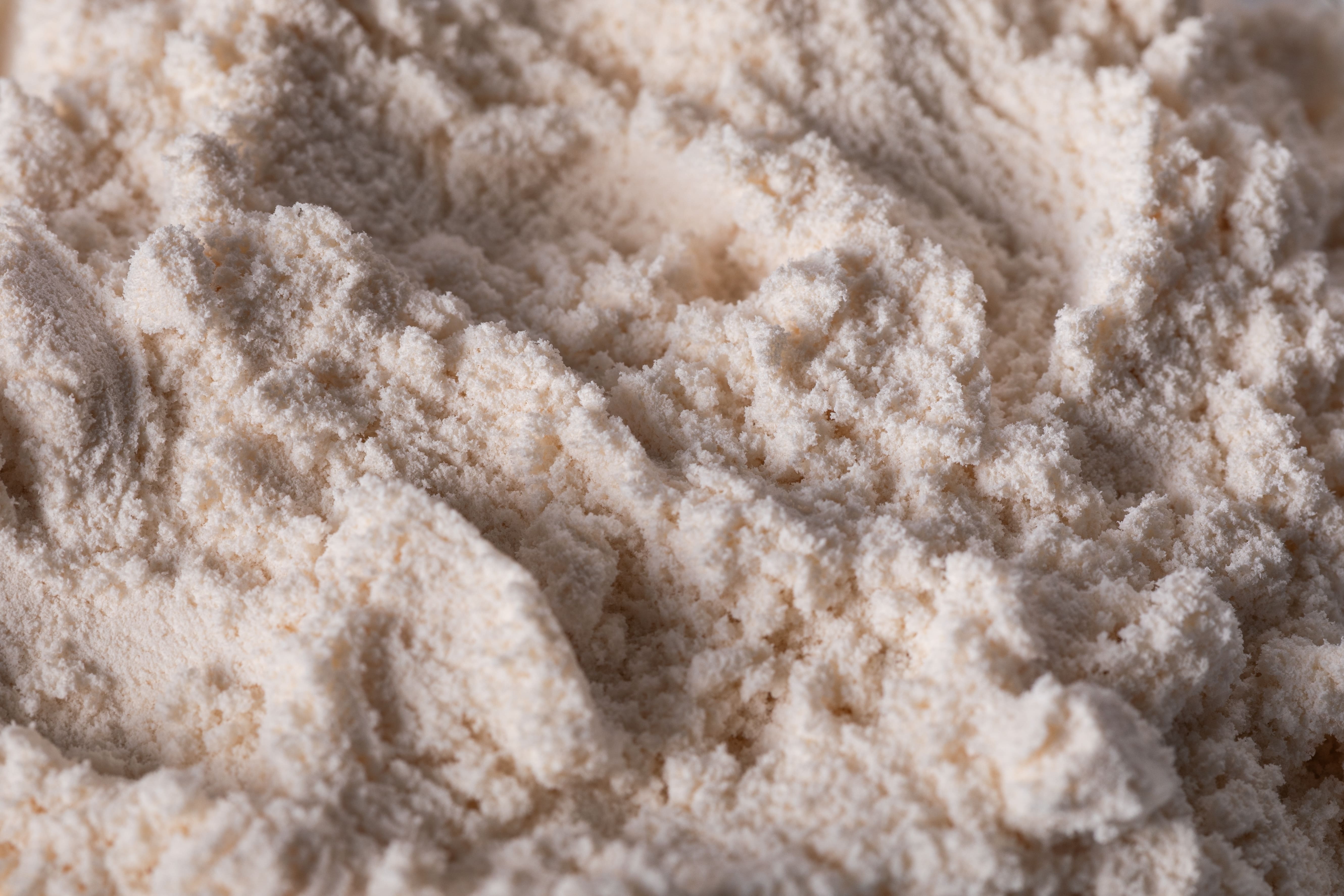
Powdered deflocculants
Formulated for dry mixes and systems where direct incorporation into the paste is required.
Water-based deflocculants
Liquid solutions designed for precise viscosity adjustment in ceramic suspensions.
Deflocculants for porcelain tiles
Specific optimization for porcelain stoneware pastes with high solids content.
Complementary rheological modifiers
Combined additives that improve stability, dispersion, and flow control.

Improves flow and stability in atomization processes.
It allows for greater solid load while maintaining workability.
Regulates viscosity and stability during storage and application.
Solutions tailored to specific compositions and production conditions.

We offer you a private and secure area where you can view the design proposals created for your company. This environment is designed to streamline the creative process, guarantee confidentiality, and facilitate decision-making at every stage of development.

Get inspired, combine, and save your ideas all in one place. Create your own collections, select your favorite designs, and download images that inspire you. A space designed for you to organize your ideas freely and maintain creative control over each project.

Explore a selection of collections designed to inspire new projects. Each one combines innovation, trend, and technique, offering exclusive designs that reflect the essence of Kerafrit and open up new creative possibilities.
It disperses solid particles, reduces viscosity, and allows working with a higher solids content without compromising flowability.
Yes. We adjust formulation and dosage according to composition, pH and actual conditions of each factory.
Liquid formats allow for more precise adjustments in suspension, while solids are integrated directly into the dry mix.
It can cause over-deflocculation, instability, or sedimentation, affecting the consistency of the process.
The most versatile is the liquid deflocculant, because it allows its use before and after grinding, allowing the rheology to be adjusted in two stages of the process.
Everything you need to know about ceramic deflocculants
Dispersion and viscosity reduction for ceramic slips.
Ceramic deflocculants are chemical additives designed to optimize particle dispersion in aqueous suspensions. Their application in pastes, slips, and glazes drastically reduces system viscosity without the need to increase water content. This optimization is critical in the industry to achieve efficient pumping and a stable atomization process, guaranteeing high solid content formulations that significantly reduce energy costs during drying.
In large-scale ceramic production, using the right deflocculant prevents sedimentation problems and stabilizes the rheological behavior of the material throughout the entire line. At Kerafrit, we develop technical solutions adapted to the specific mineralogy of each factory, ensuring continuous productivity, optimal suspension density, and maximum operational efficiency batch after batch.